How to prevent break-ins at my shop with layered security
A locked front door is only one layer of protection. To understand how to prevent break-ins at my shop, secure likely entry points and combine physical measures with a visible security presence when the premises are empty.
It’s natural to focus on doors and windows first, but gates, rear access and outbuildings can also leave a shop exposed. A layered approach addresses these weak points instead of relying on a single measure.
Professional security services can help deter intruders and protect your premises through patrols, alarm response and lock-up support. You’ll also learn what to consider when securing doors, windows, gates and outbuildings, so you can make a clear security plan for your shop.
Key Takeaways
- Layering visible security with professional oversight can help deter burglars when your shop is empty.
- Grilles, shutters and security glass can strengthen vulnerable entry points when selected and fitted appropriately.
- A considered security plan covers doors, windows, gates and outbuildings, not just the shopfront.
- Key holding, alarm response, patrols, lock-up services and manned guarding offer practical ways to support your premises.
1. Deterring burglars when a property is empty
An empty shop can look like an easy target if its entrance is dark or its security appears inactive. Layered protection combines visible deterrents with a clear response plan, so one missed measure doesn’t leave the premises exposed.
The Office for National Statistics estimated 271,519 burglaries in 2022 across its covered jurisdiction. Professional measures include alarm response, mobile patrols, scheduled lock-up services and static guarding. These services add oversight when staff aren’t present, while alarms and security lighting make unauthorised access more noticeable. A professional can help align these measures with the shop’s layout and opening routine.
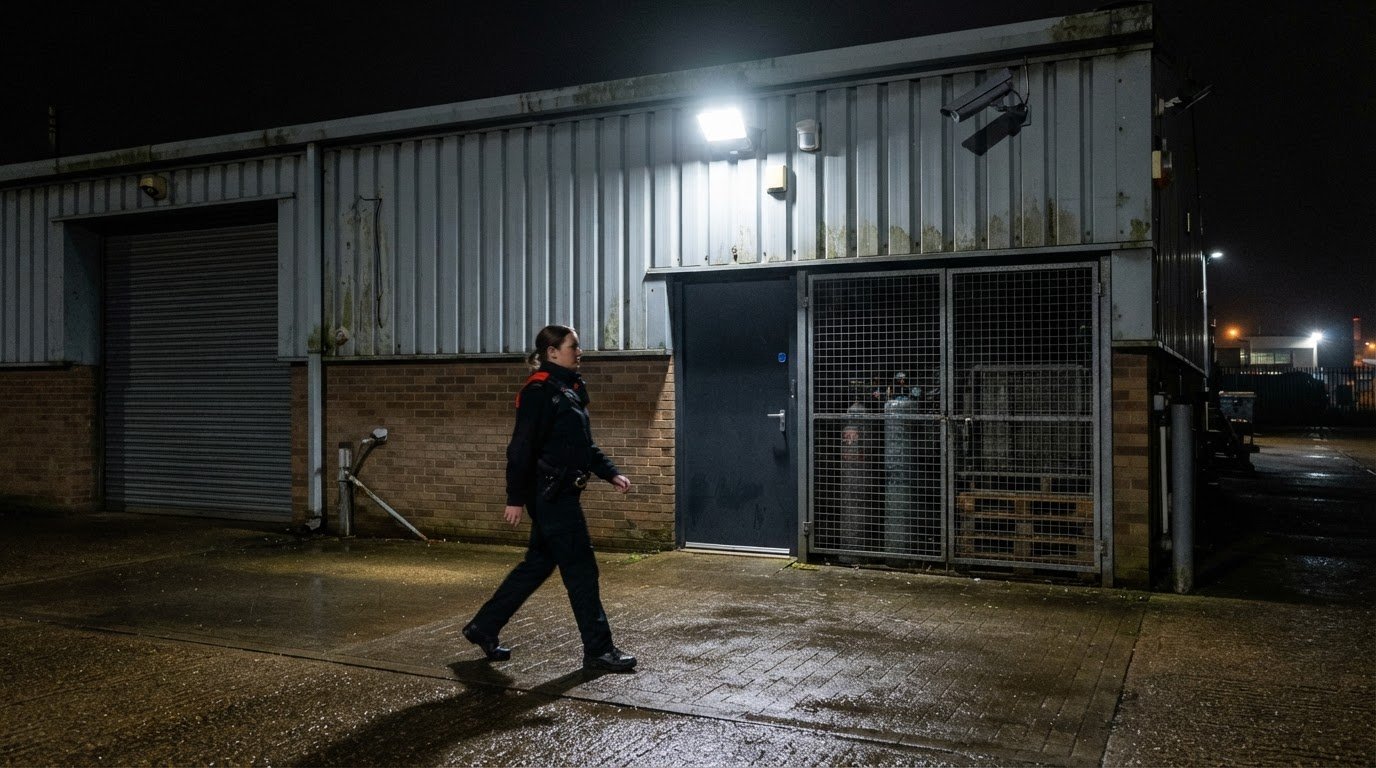
Light entrances and less visible approaches, including rear doors and loading areas. Review the site for dark spots and position security lighting to improve visibility. A burglar alarm adds another layer, but the response plan should explain who receives an alert, who attends and how access is managed. Combining these measures is stronger than relying on an alarm alone.
Distraction burglary uses deception to gain access. Keep staff-only areas secure and give employees a consistent procedure for unexpected visitors. They should check a visitor’s identity and reason for visiting before granting access. For example, someone claiming to be a contractor should not go beyond reception without authorisation.
After a break-in, a professional security provider should help make the site safe, restrict access and avoid disturbing potential evidence. Preserve available CCTV footage, alarm records and access logs, noting when each item was secured. Call 999 if a crime is taking place and there’s an emergency; shop owners can report crimes by calling 101, according to UK police services.
For area-specific crime-prevention advice, ask local police about business security guidance and contact the council’s community-safety team. If your shop belongs to a Business Crime Reduction Partnership, report incidents there too.
2. Grilles, shutters and security glass
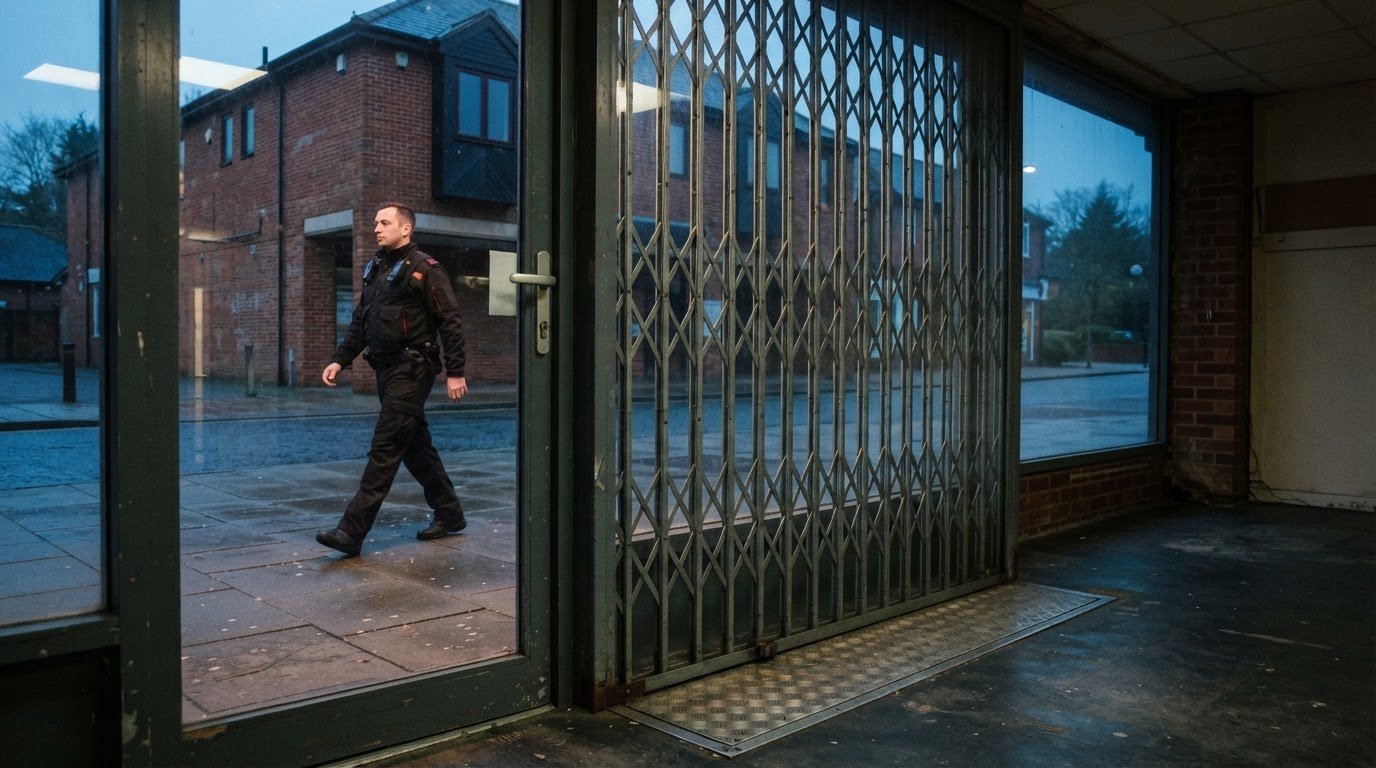
Grilles, shutters and security glass can strengthen vulnerable shopfronts, but the right choice depends on the opening and how it is used. A grille may suit a rear window, while a shutter can protect a street-facing display after closing. Security glass offers another barrier without covering the shopfront. Safes and secure cages can help protect cash, keys or valuable stock inside.
Ask a professional to assess the frame, opening, fixings and access before recommending products. Poor fitting can weaken even a robust grille or shutter. Neighbourhood Watch Network advice recommends looking for products marked Secured by Design or Sold Secure, and using a Master Locksmith Association-approved locksmith for locks or upgrade advice. Correct fitting and robust fixings matter.
There is no single insurance specification for every shop. Requirements depend on the policy wording, including any conditions for alarms, locks or physical barriers. Check those terms before choosing products. The suitability of shutters, grilles or reinforced doors depends on the opening, materials, glazing and installation, so assess the premises before deciding what protection is appropriate.
A useful layered combination also covers daily routines: lock windows, secure doors, use timed interior lighting and consider sensor-controlled exterior lights. Staff procedures should cover who holds keys, how they’re handed over, and what to do if someone requests access unexpectedly. A safe or secure cage can keep keys and high-value goods away from public areas. Static guarding can reinforce access control, while key holding and alarm response supports controlled key access and alarm attendance.
3. Locking doors, windows, gates and outbuildings
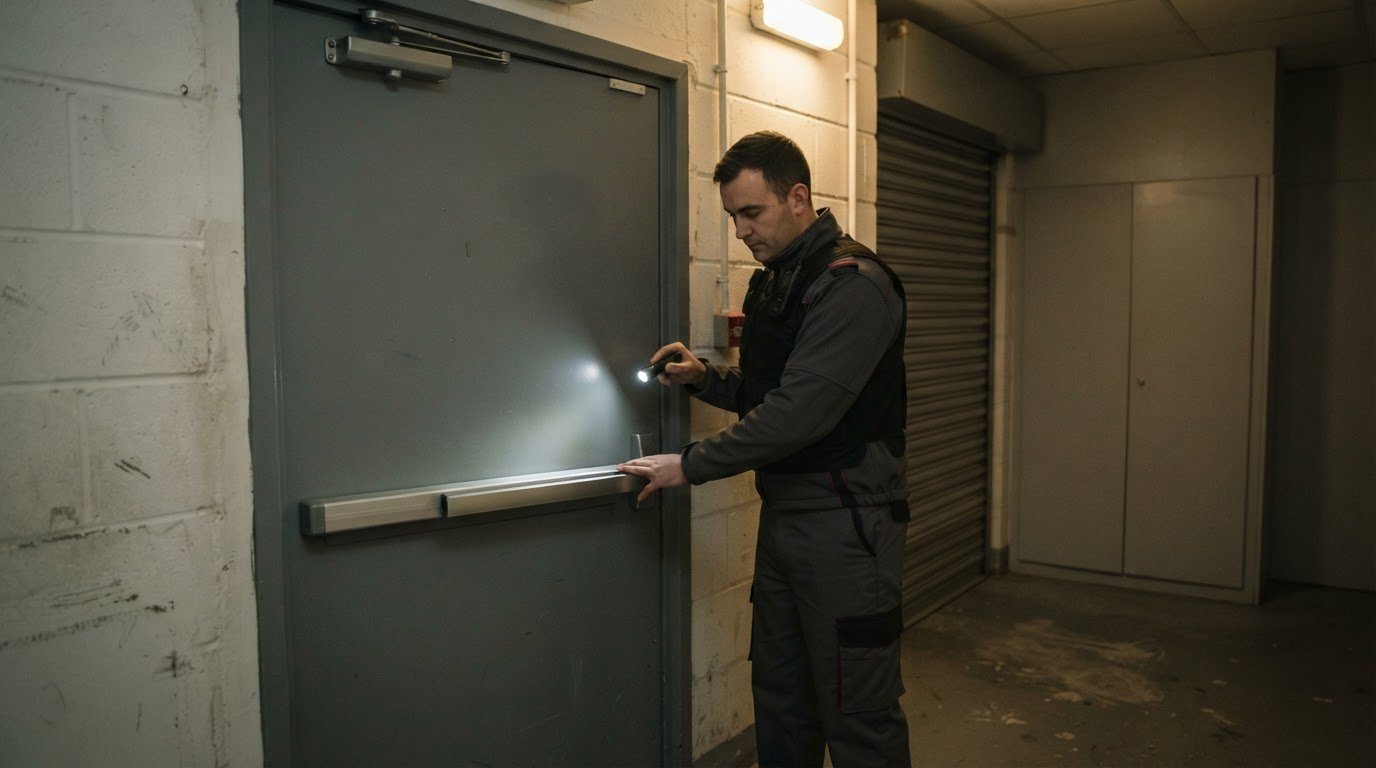
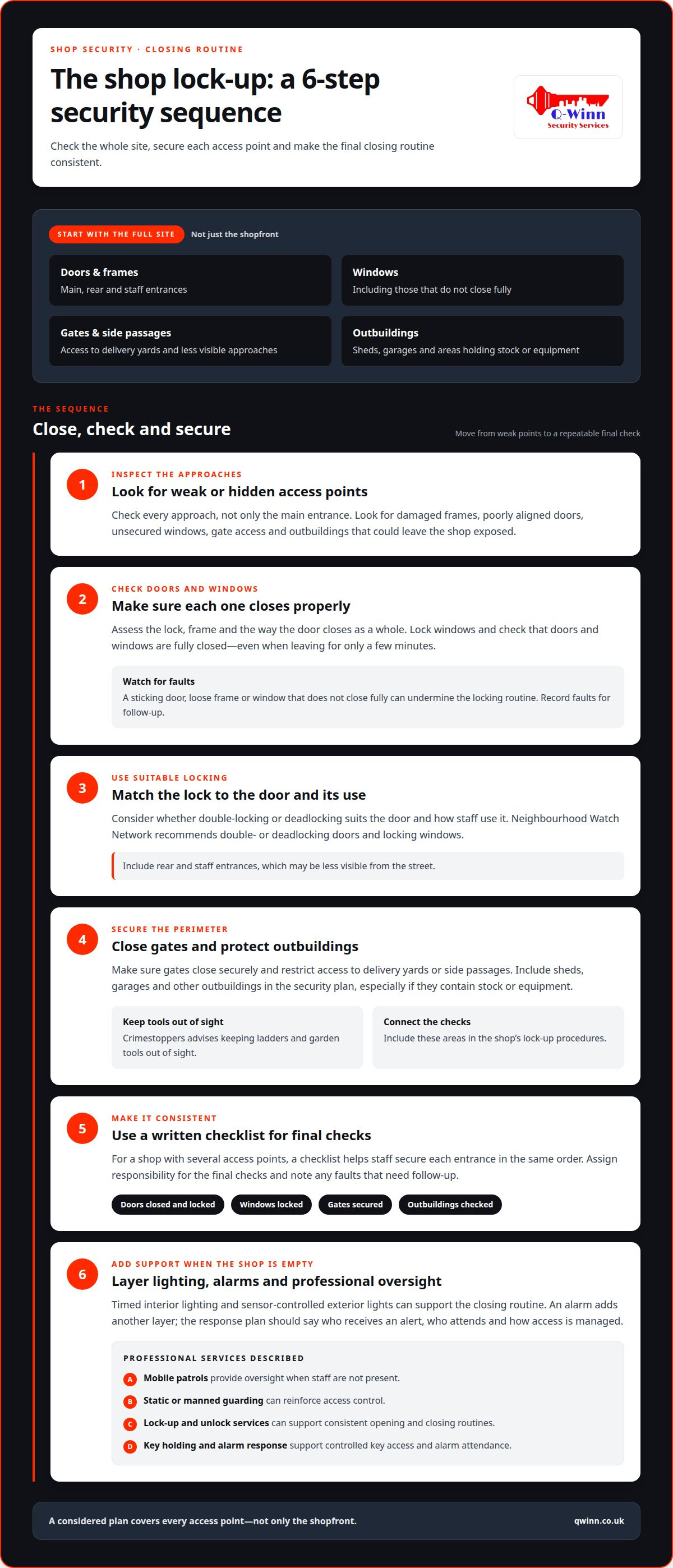
A security assessment should cover every approach, not just the shop’s main entrance. Check for weak or poorly aligned doors, damaged frames, unsecured windows, gate access and outbuildings containing stock or equipment. A sticking door, loose frame or window that doesn’t close fully can undermine an otherwise careful locking routine.
Assess the lock, frame and how the door closes as a whole. Consider whether double-locking or deadlocking suits the door and how staff use it. Neighbourhood Watch Network recommends double- or deadlocking doors and locking windows. Include rear and staff entrances, which may be less visible from the street.
Gates need to close securely and restrict access to delivery yards or side passages. Sheds, garages and other outbuildings should be included in the security plan, particularly if they hold tools that could help someone force entry. Keep ladders and garden tools out of sight, as Crimestoppers advises. A professional can review how these areas connect to the shop and include them in lock-up procedures.
Consistency matters. Crimestoppers advises checking that doors and windows are properly closed and locked, even when leaving for only a few minutes. A professional can establish a clear closing routine, assign responsibility for final checks and record any faults for follow-up. For a shop with several access points, a written checklist helps staff secure each entrance in the same order. Discuss your shop’s security requirements to plan a more consistent approach to access and closing checks.
Q-Winn Security
Q-Winn Security can support your shop’s security plan when staff are away or the premises close. Its services include Mobile Patrol and Static / Manned Guarding, alongside Lock-Up & Unlock Services and Key Holding & Alarm Response. These services can provide a visible presence, support consistent closing routines and respond when an alarm activates.
Consider professional support if your shop has several access points, outbuildings to secure or periods without staff on site. The right arrangement depends on your premises and the security tasks you need covered. Clear instructions about access, keys and closing procedures help fit the service to your day-to-day operations.
For a practical discussion about protecting your premises, contact Q-Winn Security.
Make your next step a practical one
A shop’s security plan works best when it reflects the actual layout, access routines and times when staff are away. Consider where you need support: patrols, controlled opening and closing, or a response when an alarm activates. This turns the question of how to prevent break-ins at my shop into a practical decision about your premises.
Q-Winn Security offers Key Holding & Alarm Response, Mobile Patrol and Lock-Up & Unlock Services to support these requirements. The right combination depends on your shop and the responsibilities you want covered. Contact Q-Winn Security to discuss a practical next step for your premises.
Contact Q-Winn Security for advice and take a confident step towards a more considered approach to protecting your shop.
Frequently Asked Questions
What can you do about it?
Start by identifying the shop’s most exposed access points and deciding who is responsible for securing them. If you’re asking, “how to prevent break-ins at my shop?”, a security review can help coordinate physical protection with staff routines, alarm handling and checks when the premises are empty. Include delivery entrances and storage areas, not just the customer-facing entrance.
Which burglar alarm services are suitable for a small shop, and what affects their cost?
Key Holding & Alarm Response can suit a small shop that needs an agreed response when its alarm activates. The cost depends on the arrangement, including key storage and expected response requirements. Q-Winn Security provides pricing on request through a quote, so the service can be considered against the shop’s needs without relying on a generic estimate.
How can a professional security provider position CCTV to deter shop break-ins and identify offenders?
If your shop uses CCTV, prioritise entry points, till areas and valuable stock, and reduce blind spots caused by shelving or displays. Aim for clear views of faces and movement through key areas, rather than filming only broad spaces. Display signs indicating CCTV is in use, and make sure staff know how to preserve relevant footage after an incident.
What locks, safes and security measures should a professional assess for a shop’s doors and windows?
Consider how each entrance is used, who needs keys and whether the locking routine fits staff handovers. Assess whether a safe suits the items being protected and whether its location creates avoidable access risks. For example, keep staff key storage separate from public areas and manage it through a clear handover record.
How can a professional security provider use lighting, visibility and landscaping to reduce the risk of a shop break-in?
Preventing break-ins also means maintaining visibility around your premises. Review whether signs, displays or overgrown planting obscure entrances and windows, then improve sightlines where needed. Lighting should help illuminate likely approaches without leaving key areas in shadow. For example, keep shrubs from screening a side gate or rear access point.
Frequently Asked Questions
Start by identifying the shop’s most exposed access points and deciding who is responsible for securing them. If you’re asking, “how to prevent break-ins at my shop?”, a security review can help coordinate physical protection with staff routines, alarm handling and checks when the premises are empty. Include delivery entrances and storage areas, not just the customer-facing entrance.
Key Holding & Alarm Response can suit a small shop that needs an agreed response when its alarm activates. The cost depends on the arrangement, including key storage and expected response requirements. Q-Winn Security provides pricing on request through a quote, so the service can be considered against the shop’s needs without relying on a generic estimate.
If your shop uses CCTV, prioritise entry points, till areas and valuable stock, and reduce blind spots caused by shelving or displays. Aim for clear views of faces and movement through key areas, rather than filming only broad spaces. Display signs indicating CCTV is in use, and make sure staff know how to preserve relevant footage after an incident.
Consider how each entrance is used, who needs keys and whether the locking routine fits staff handovers. Assess whether a safe suits the items being protected and whether its location creates avoidable access risks. For example, keep staff key storage separate from public areas and manage it through a clear handover record.
Preventing break-ins also means maintaining visibility around your premises. Review whether signs, displays or overgrown planting obscure entrances and windows, then improve sightlines where needed. Lighting should help illuminate likely approaches without leaving key areas in shadow. For example, keep shrubs from screening a side gate or rear access point.