Bracknell School Security Services: A School’s Guide to Choosing the Right Protection
What if the right school security service is the one that fits your daily routines, rather than simply the one that appears most comprehensive? Choosing Bracknell school security services means balancing the needs of pupils, staff and visitors with practical concerns such as access control and security when the school is closed. Start with your site and its routines, then identify where additional support may be useful.
This guide offers a framework for assessing risks, comparing services and preparing questions before appointing a provider. It explains how static guarding, mobile patrols, key holding and alarm response, and lock-up and unlock services may suit different requirements. It also sets out what to check about SIA licensing, safeguarding procedures, escalation and accountability. Q-Winn Security is a family-run provider based in Bracknell, offering a local point of discussion about your school’s needs. Use the guidance to create a focused brief and compare proposals against it.
Key Takeaways
- Map risks across arrival, dismissal, deliveries and quiet periods to identify where protection is most needed.
- Compare Bracknell school security services by matching each option to your site, timetable and agreed duties.
- Before appointing a provider, clarify officer supervision, credentials, reporting, escalation and service reviews.
- Prepare a clear brief covering access rules, priority locations, exclusions and the records your school needs.
What should Bracknell school security services protect?
School security brings together measures for protecting people, premises, access and incident response. These may include clear entry procedures, an agreed security presence and instructions for raising and escalating concerns. The School security measures overview offers general context, but your arrangements should reflect the layout, use and routines of your own site.
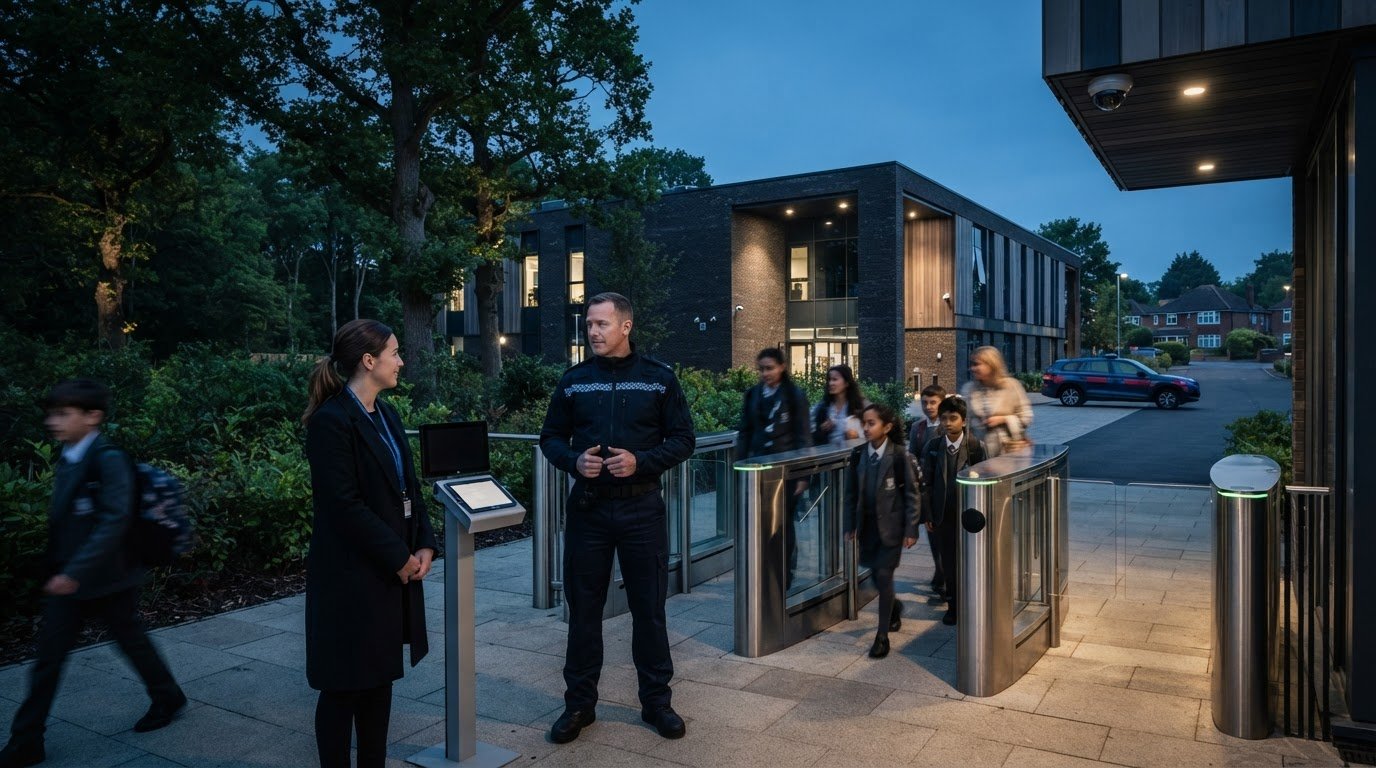
Exposure changes throughout the day. Arrival and dismissal bring more movement at entrances, while deliveries introduce visitors and vehicles. Public-facing areas may need clear access boundaries. Risks can also change when buildings are empty, during holidays or while evening events take place. Match any contracted duties to the times and locations where your school has identified a need.
Which school areas and routines need attention?
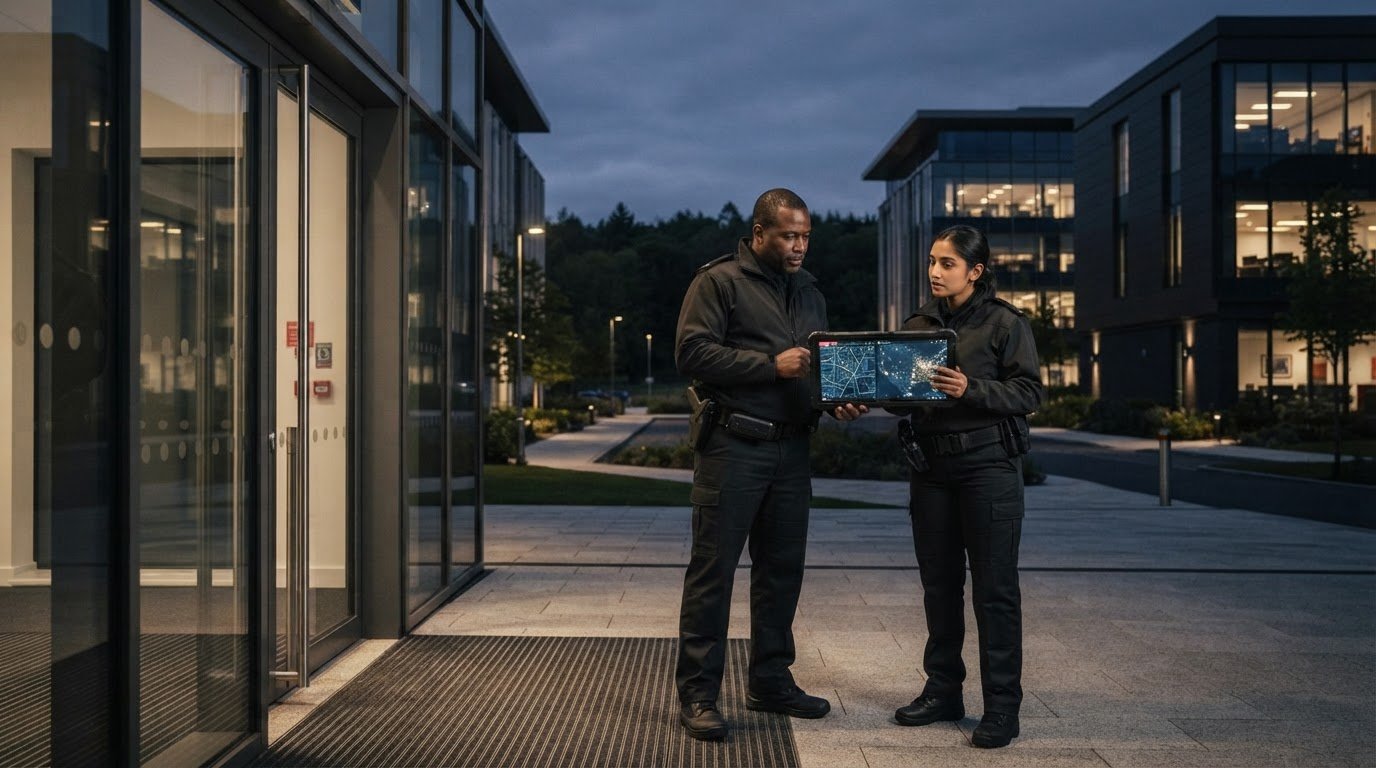
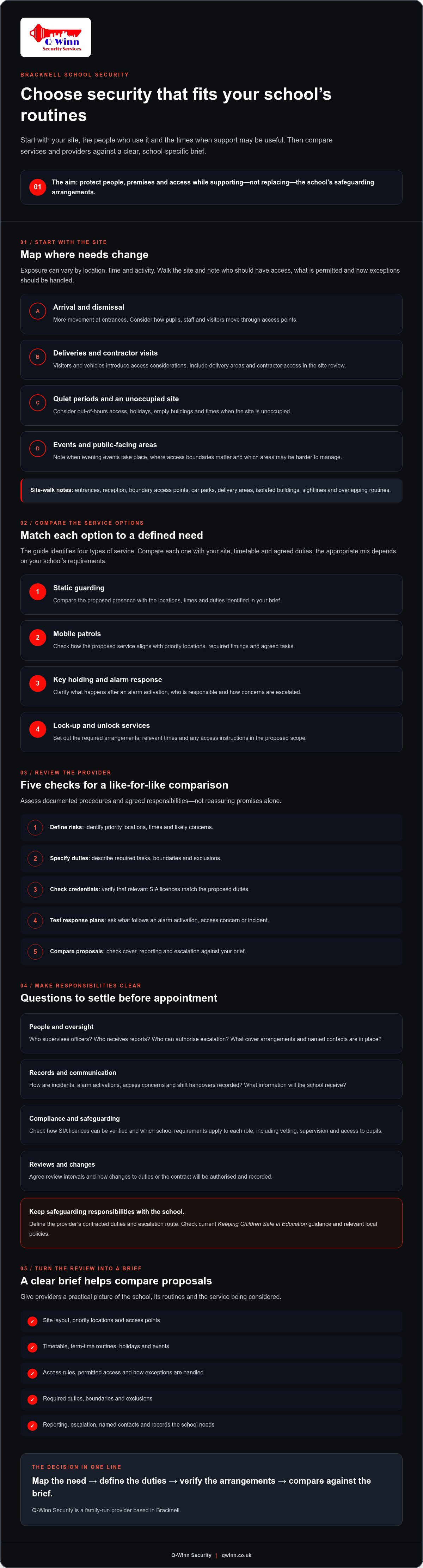
Walk the site and trace how pupils, staff, visitors and contractors move through it. Consider more than the location of doors. Include:
- Entrances, reception and boundary access points.
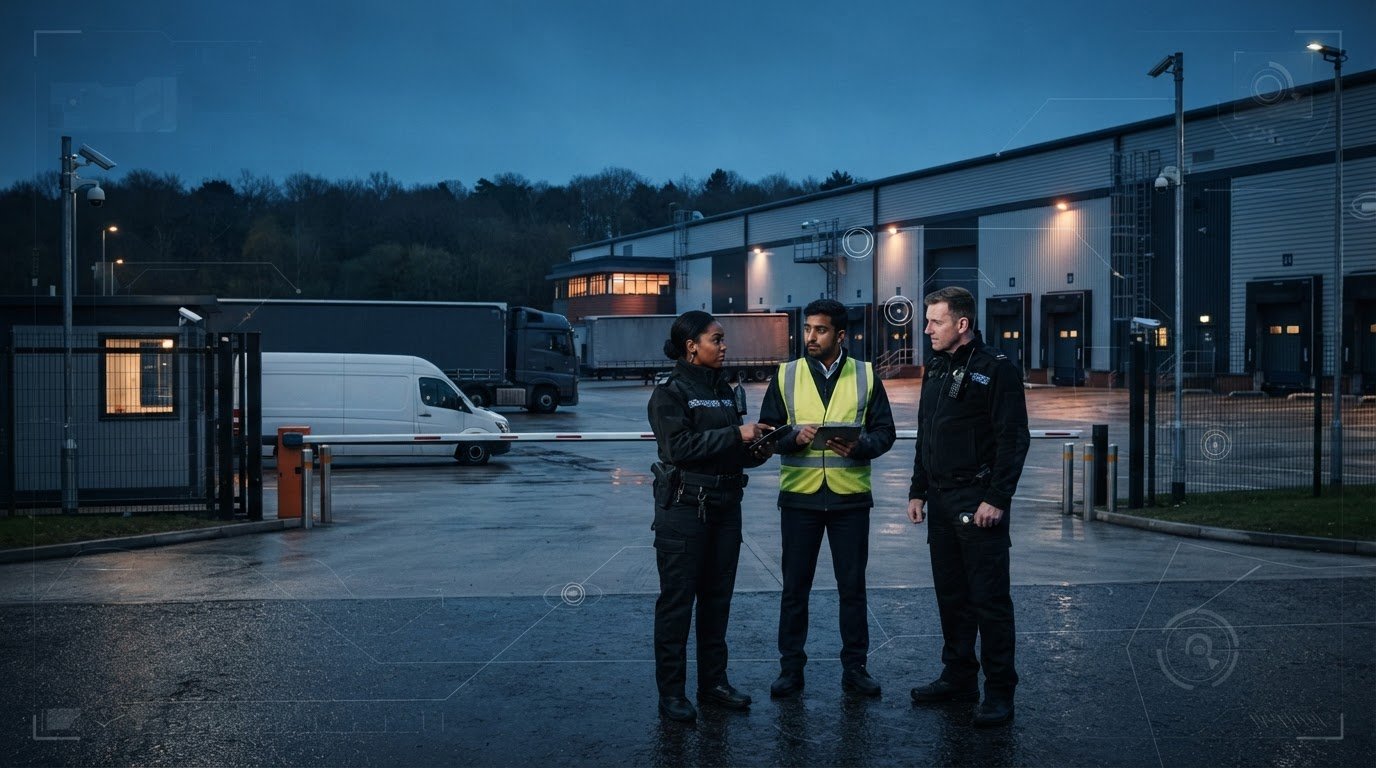
- Car parks, delivery areas and isolated buildings.
- Term-time routines, events, holidays and contractor visits.
- Out-of-hours access and periods when the site is unoccupied.
For each area, note who should be allowed in, what access is permitted and how exceptions or unexpected visitors should be handled. Record any points where sightlines, building layout or overlapping routines make access harder to manage. This gives providers a practical picture of the site instead of a generic description.
How should school security fit safeguarding responsibilities?
Define a provider’s duties in the contract and operating instructions. For example, specify whether an officer is expected to manage an agreed access point, report a concern or follow a named escalation route. Don’t assume those duties transfer the school’s safeguarding responsibilities to the provider. Check the current Keeping Children Safe in Education guidance and relevant local policies, then confirm how contracted tasks fit the school’s own procedures.
In short: assess risks by location, time and activity, then specify proportionate security duties that support, rather than replace, the school’s safeguarding arrangements.
How to assess a Bracknell school security provider
A persuasive proposal is useful only if it explains who will do what, when and how concerns will be handled. Assess Bracknell school security services against your school’s documented needs, not broad assurances. A consistent review process helps you compare providers on the same basis:
- Define risks: identify priority locations, times and likely concerns.
- Specify duties: describe the tasks, boundaries and exclusions required.
- Check credentials: verify relevant SIA licences against the duties proposed.
- Test response plans: ask what happens after an alarm activation, access concern or incident.
- Compare proposals: check that cover, reporting and escalation arrangements match your brief.
Assess documented procedures and agreed responsibilities, not reassuring promises alone. The government security guidance for schools can help inform your planning. Use it alongside current school policies and procurement requirements.
What should a school ask before appointing a provider?
Ask who supervises officers, who receives reports and who can authorise escalation. Find out how incidents, alarm activations, access concerns and shift handovers are recorded, and what information the school will receive. Clarify cover arrangements, named contacts, review intervals and how changes to duties or the contract are agreed. Ask the provider to explain its process and show how it will meet the requirements in your brief, rather than relying on informal assurances.
Which compliance and safeguarding details need checking?
Confirm that the SIA licences held are relevant to the specific duties proposed, and ask how you can verify them. Check current school policy and guidance on vetting, supervision and access to pupils, and confirm which requirements apply to each role. Don’t assume a provider’s standard procedures automatically meet the school’s needs. Record agreed responsibilities and escalation routes clearly so that school staff and the provider understand their respective roles.
A local conversation can help turn these checks into a site-specific brief. Q-Winn Security is based in Bracknell; you can discuss your school’s security requirements and clarify the proposed scope before comparing arrangements.
Which school security services suit your site and timetable?
The right mix depends on where a school needs a security presence, when checks are useful and who can respond if an alarm activates. Specify Bracknell school security services around those requirements, with duties and limits agreed in advance. GOV.UK’s UK government security guidance can help inform your wider planning.
When might a school consider on-site guarding or patrols?
Static guarding provides an agreed on-site presence. A school might consider it for a defined access point, a public-facing area or an event where visible cover is required. Before appointing a provider, agree what the officer is responsible for, who supervises the work and how observations or concerns are reported. For more detail, read this manned guarding buying guide.
Mobile patrols may suit sites where checks across different areas or at agreed times are more relevant than a continuous presence in one location. Specify the areas to check, when checks should take place and how observations are reported. Ask how the proposed route and schedule relate to your site’s priority areas. The mobile security patrol guide explores this service in more detail.
When might key holding or lock-up support help?
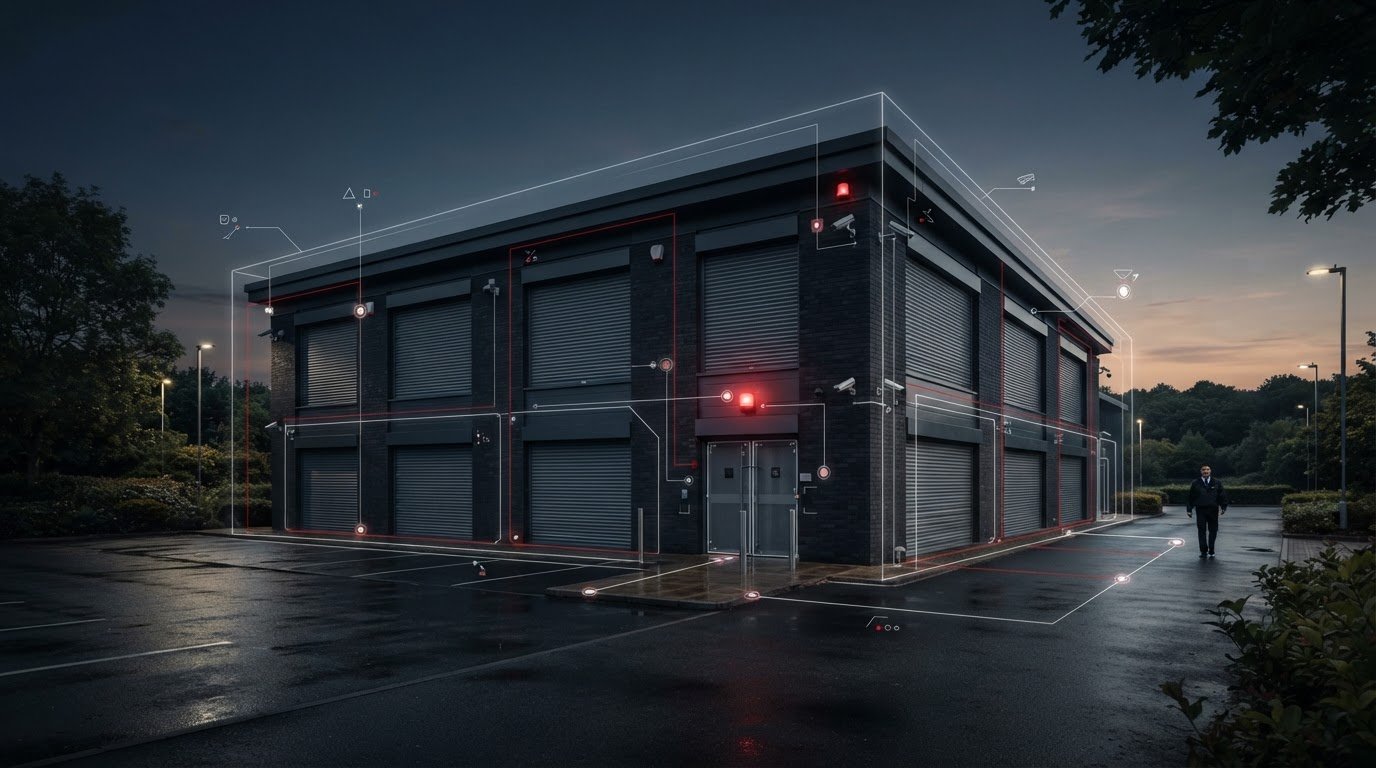
Key holding and alarm response can provide an agreed arrangement for handling out-of-hours alarm activations. Establish who is authorised to respond, how access is controlled and who must be contacted or informed. Clarify how the response fits the school’s escalation plan and what information will be reported afterwards. See the Bracknell key holding and alarm response guide for further detail.
Lock-up and unlock services can support set opening and closing routines. Define which doors or areas are included, when the service is required and how any issue is reported. Q-Winn Security offers these services alongside guarding, patrols and key holding. To discuss which duties may fit your school’s timetable, contact Q-Winn Security about your requirements.
How to turn your school security review into a clear brief
A clear brief helps providers respond to the same requirements, making proposals easier to compare. Set out your school’s needs before discussing Bracknell school security services. Be specific about the duties you want covered, when they apply and the limits of the provider’s role.
What information should a school include in its security brief?
Give providers a practical picture of the site and how it operates. Include:
- Site layout, buildings, access points and priority locations.
- Operating hours, occupancy patterns, events and other relevant routines.
- Known risks, access rules and existing procedures.
- Required duties, exclusions and the times they apply.
- Reporting contacts, escalation routes, review intervals and records required.
Name the school decision-makers, emergency contacts and approval process. Explain who should receive incident reports and how concerns should be escalated. If you need particular records or reporting formats, specify them in the brief. Clear expectations help prevent gaps between what the school assumes is included and what the provider has agreed to deliver.
What should happen before agreeing a service?
Arrange a site-specific discussion and ask the provider to confirm proposed duties and exclusions in writing. Compare each proposal against the same brief, checking that it covers the required locations, times, reporting and escalation. If responsibilities or arrangements are unclear, request written clarification before making a decision. Check current local coverage and service arrangements directly with the provider rather than assuming they are available.
Q-Winn Security is based in Bracknell and states that its coverage includes Bracknell and the surrounding 15-mile area. Bracknell schools can use their brief to start a discussion about requirements, then confirm whether the proposed scope and current arrangements fit their site. A considered conversation is a useful next step, not a substitute for assessing suitability against the school’s needs.
Take the next step with a clear security brief
Effective Bracknell school security services start with a clear understanding of your site, routines and priorities. Identify where support is needed, then compare providers on defined duties, credentials, reporting and escalation arrangements. Depending on your requirements, the right mix may include an agreed on-site presence, patrols, key holding and alarm response, or lock-up and unlock support.
Before making a decision, put the scope in writing and clarify which responsibilities remain with the school. This gives you a practical basis for a focused conversation with a local provider.
Q-Winn Security is a family-run company based in Bracknell, serving the surrounding 15-mile area. Its team has over 30 years of combined experience, and its listed services include SIA-licensed guarding, mobile patrols, key holding and alarm response, and lock-up and unlock services. Discuss your school’s security requirements with Q-Winn Security and clarify the proposed scope for your site.
With a well-prepared brief, you can compare arrangements more clearly and take a practical next step.
Frequently Asked Questions
What security services might a school in Bracknell need?
A school might consider static guarding, mobile patrols, key holding and alarm response, or lock-up and unlock services, depending on its site and timetable. An agreed on-site presence may suit a defined access requirement, while patrols can cover checks across different areas. Start by identifying the risks, priority locations and periods that need attention, then specify the duties and limits required.
Do schools need SIA-licensed security officers?
Whether an officer needs an SIA licence depends on the role and duties being provided, so check the requirements for the specific arrangement rather than assuming every security task has the same licensing rules. Ask the provider to confirm the licence category relevant to the proposed work and how it can be verified. Also check your school’s current safeguarding policies, as licensing doesn’t replace those responsibilities.
Can a security company respond to a school alarm out of hours?
A school can arrange out-of-hours alarm response with a provider offering key holding and alarm response, but the scope should be agreed in advance. Confirm how an activation is received, who is authorised to attend, how access is controlled and whom the provider contacts. Q-Winn Security states that it provides 24/7 rapid response; ask the company to clarify the specific arrangements and escalation process for your school.
How should a school compare security service proposals?
Give each provider the same written brief, then compare proposed duties, exclusions, coverage, reporting and escalation arrangements against it. Ask who supervises officers, receives records and reviews the service. Check relevant credentials and clarify any safeguarding or vetting procedures that apply to the roles. Request written answers where a proposal leaves responsibilities unclear. Base your comparison on the defined scope and documented arrangements, not assurances alone.
Does Q-Winn Security provide school security services in Bracknell?
Q-Winn Security is a family-run security company based in Bracknell, with services covering Bracknell and the surrounding 15-mile area. Its listed services include SIA-licensed static guarding, mobile patrols, key holding and alarm response, and lock-up and unlock services. The company has over 30 years of combined experience. Schools should discuss their site-specific needs and confirm the proposed duties and arrangements before deciding whether the services are suitable.
Frequently Asked Questions
Walk the site and trace how pupils, staff, visitors and contractors move through it. Consider more than the location of doors. Include: For each area, note who should be allowed in, what access is permitted and how exceptions or unexpected visitors should be handled. Record any points where sightlines, building layout or overlapping routines make access harder to manage. This gives providers a practical picture of the site instead of a generic description.
Define a provider’s duties in the contract and operating instructions. For example, specify whether an officer is expected to manage an agreed access point, report a concern or follow a named escalation route. Don’t assume those duties transfer the school’s safeguarding responsibilities to the provider. Check the current Keeping Children Safe in Education guidance and relevant local policies, then confirm how contracted tasks fit the school’s own procedures. In short: assess risks by location, time and activity, then specify proportionate security duties that support, rather than replace, the school’s safeguarding arrangements. A persuasive proposal is useful only if it explains who will do what, when and how concerns will be handled. Assess Bracknell school security services against your school’s documented needs, not broad assurances. A consistent review process helps you compare providers on the same basis: Assess documented procedures and agreed responsibilities, not reassuring promises alone. The government security guidance for schools can help inform your planning. Use it alongside current school policies and procurement requirements.
Ask who supervises officers, who receives reports and who can authorise escalation. Find out how incidents, alarm activations, access concerns and shift handovers are recorded, and what information the school will receive. Clarify cover arrangements, named contacts, review intervals and how changes to duties or the contract are agreed. Ask the provider to explain its process and show how it will meet the requirements in your brief, rather than relying on informal assurances.
Confirm that the SIA licences held are relevant to the specific duties proposed, and ask how you can verify them. Check current school policy and guidance on vetting, supervision and access to pupils, and confirm which requirements apply to each role. Don’t assume a provider’s standard procedures automatically meet the school’s needs. Record agreed responsibilities and escalation routes clearly so that school staff and the provider understand their respective roles. A local conversation can help turn these checks into a site-specific brief. Q-Winn Security is based in Bracknell; you can discuss your school’s security requirements and clarify the proposed scope before comparing arrangements. The right mix depends on where a school needs a security presence, when checks are useful and who can respond if an alarm activates. Specify Bracknell school security services around those requirements, with duties and limits agreed in advance. GOV.UK’s UK government security guidance can help inform your wider planning.
Static guarding provides an agreed on-site presence. A school might consider it for a defined access point, a public-facing area or an event where visible cover is required. Before appointing a provider, agree what the officer is responsible for, who supervises the work and how observations or concerns are reported. For more detail, read this manned guarding buying guide. Mobile patrols may suit sites where checks across different areas or at agreed times are more relevant than a continuous presence in one location. Specify the areas to check, when checks should take place and how observations are reported. Ask how the proposed route and schedule relate to your site’s priority areas. The mobile security patrol guide explores this service in more detail.
Key holding and alarm response can provide an agreed arrangement for handling out-of-hours alarm activations. Establish who is authorised to respond, how access is controlled and who must be contacted or informed. Clarify how the response fits the school’s escalation plan and what information will be reported afterwards. See the Bracknell key holding and alarm response guide for further detail. Lock-up and unlock services can support set opening and closing routines. Define which doors or areas are included, when the service is required and how any issue is reported. Q-Winn Security offers these services alongside guarding, patrols and key holding. To discuss which duties may fit your school’s timetable, contact Q-Winn Security about your requirements. A clear brief helps providers respond to the same requirements, making proposals easier to compare. Set out your school’s needs before discussing Bracknell school security services. Be specific about the duties you want covered, when they apply and the limits of the provider’s role.
Give providers a practical picture of the site and how it operates. Include: Name the school decision-makers, emergency contacts and approval process. Explain who should receive incident reports and how concerns should be escalated. If you need particular records or reporting formats, specify them in the brief. Clear expectations help prevent gaps between what the school assumes is included and what the provider has agreed to deliver.
Arrange a site-specific discussion and ask the provider to confirm proposed duties and exclusions in writing. Compare each proposal against the same brief, checking that it covers the required locations, times, reporting and escalation. If responsibilities or arrangements are unclear, request written clarification before making a decision. Check current local coverage and service arrangements directly with the provider rather than assuming they are available. Q-Winn Security is based in Bracknell and states that its coverage includes Bracknell and the surrounding 15-mile area. Bracknell schools can use their brief to start a discussion about requirements, then confirm whether the proposed scope and current arrangements fit their site. A considered conversation is a useful next step, not a substitute for assessing suitability against the school’s needs. Effective Bracknell school security services start with a clear understanding of your site, routines and priorities. Identify where support is needed, then compare providers on defined duties, credentials, reporting and escalation arrangements. Depending on your requirements, the right mix may include an agreed on-site presence, patrols, key holding and alarm response, or lock-up and unlock support. Before making a decision, put the scope in writing and clarify which responsibilities remain with the school. This gives you a practical basis for a focused conversation with a local provider. Q-Winn Security is a family-run company based in Bracknell, serving the surrounding 15-mile area. Its team has over 30 years of combined experience, and its listed services include SIA-licensed guarding, mobile patrols, key holding and alarm response, and lock-up and unlock services. Discuss your school’s security requirements with Q-Winn and clarify the proposed scope for your site. With a well-prepared brief, you can compare arrangements more clearly and take a practical next step.
A school might consider static guarding, mobile patrols, key holding and alarm response, or lock-up and unlock services, depending on its site and timetable. An agreed on-site presence may suit a defined access requirement, while patrols can cover checks across different areas. Start by identifying the risks, priority locations and periods that need attention, then specify the duties and limits required.
Whether an officer needs an SIA licence depends on the role and duties being provided, so check the requirements for the specific arrangement rather than assuming every security task has the same licensing rules. Ask the provider to confirm the licence category relevant to the proposed work and how it can be verified. Also check your school’s current safeguarding policies, as licensing doesn’t replace those responsibilities.
A school can arrange out-of-hours alarm response with a provider offering key holding and alarm response, but the scope should be agreed in advance. Confirm how an activation is received, who is authorised to attend, how access is controlled and whom the provider contacts. Q-Winn Security states that it provides 24/7 rapid response; ask the company to clarify the specific arrangements and escalation process for your school.
Give each provider the same written brief, then compare proposed duties, exclusions, coverage, reporting and escalation arrangements against it. Ask who supervises officers, receives records and reviews the service. Check relevant credentials and clarify any safeguarding or vetting procedures that apply to the roles. Request written answers where a proposal leaves responsibilities unclear. Base your comparison on the defined scope and documented arrangements, not assurances alone.
Q-Winn Security is a family-run security company based in Bracknell, with services covering Bracknell and the surrounding 15-mile area. Its listed services include SIA-licensed static guarding, mobile patrols, key holding and alarm response, and lock-up and unlock services. The company has over 30 years of combined experience. Schools should discuss their site-specific needs and confirm the proposed duties and arrangements before deciding whether the services are suitable.