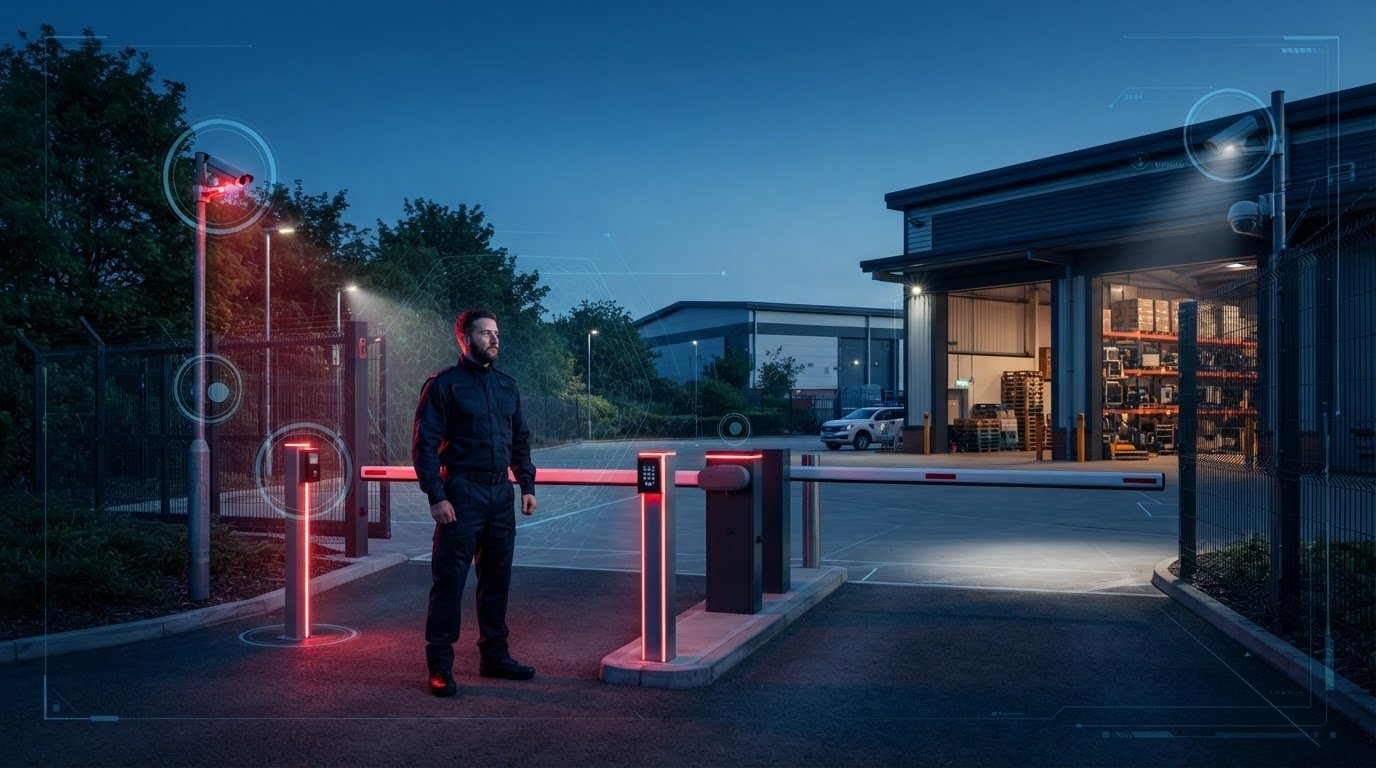
Bracknell Industrial Security Solutions: Site Operator Guide
The right security plan for an industrial site is not necessarily the one with the most guards. Bracknell industrial security solutions work best when they address identifiable risks: access points, valuable equipment and the quiet periods that matter to your operation. If theft, unauthorised access or disruption is a concern, start by asking where and when your site needs oversight, then consider whether guarding, patrols, alarm response or a combination fits.
This guide explains how to identify your site’s key risks and vulnerable periods, then compares static guarding, mobile patrols and key holding. Q-Winn Security is a family-run company based in Bracknell, with over 30 years of combined industry experience. Its SIA-licensed guarding, patrol, key holding and alarm response, and lock-up and unlock services can be tailored around your site’s routines, providing local support without unnecessary complexity.
Key Takeaways
- Map exposure around site access, valuable equipment, deliveries and quieter periods to identify where security attention matters most.
- Bracknell industrial security solutions should reflect your operating pattern, with guarding, patrols and alarm response each serving a distinct role.
- Align security cover with site routines and vulnerable periods instead of adding measures that do not address a clear need.
- Q-Winn’s Bracknell-based, family-run team brings over 30 years of combined industry experience and SIA-licensed officers to tailored site security.
What Bracknell industrial security solutions need to address
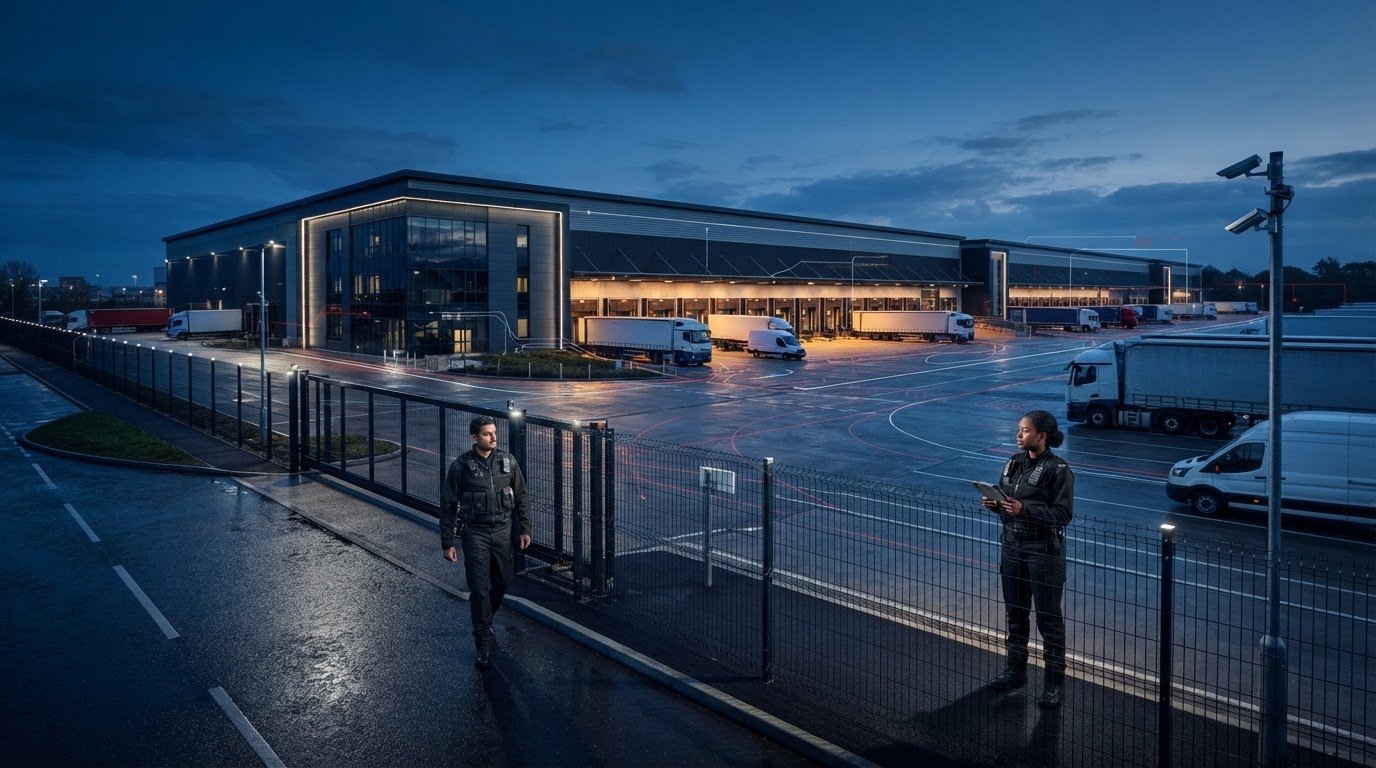
An industrial site’s security needs depend on how it operates. Vehicle entrances, valuable equipment, deliveries and quiet periods each create different demands. A busy loading bay may need oversight during handovers, while a storage area holding portable equipment may need attention when the site is closed.
Site-specific industrial security means matching protective measures to identifiable risks, locations and operating routines. Start by noting where access is controlled, what needs protection and when staff presence drops away. Bracknell industrial security solutions should reflect those details, rather than assume every factory or warehouse faces the same challenges.
Which parts of an industrial site need the closest attention?
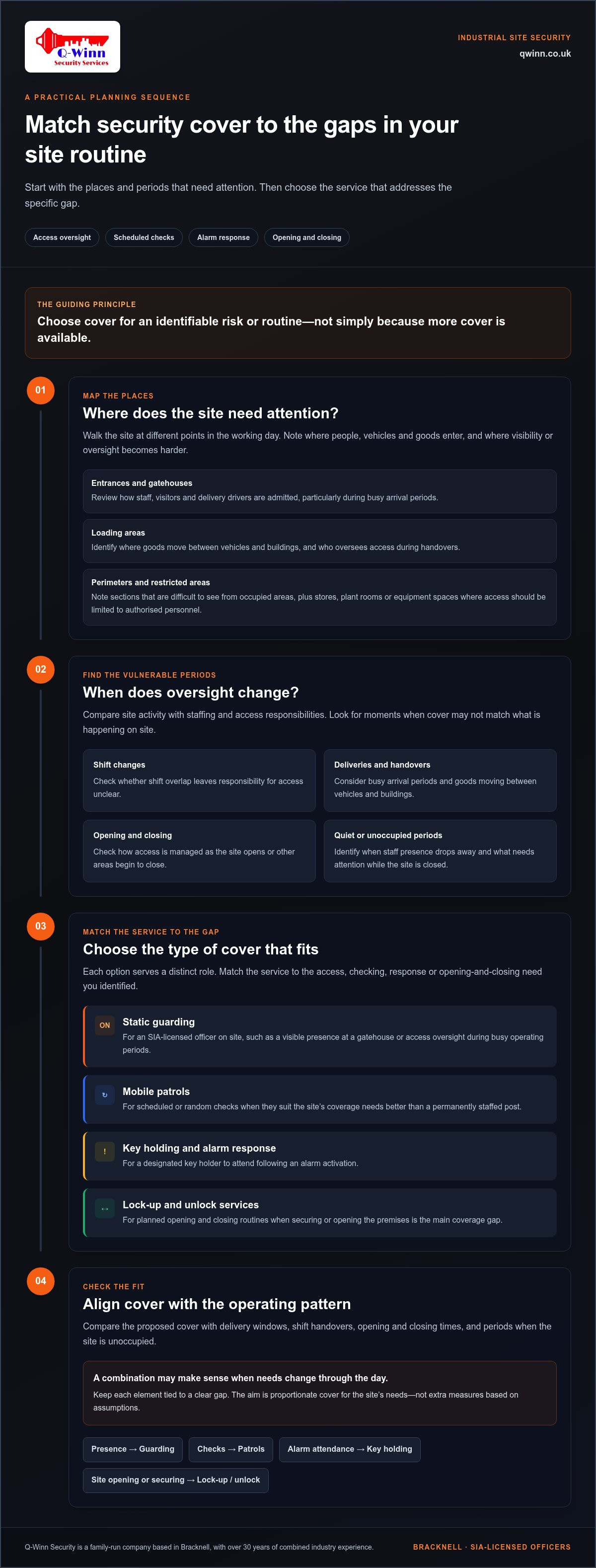
Walk the site at different points in the working day. Note where people, vehicles and goods enter, and where visibility or oversight becomes harder. Consider how shift changes, deliveries and closing time affect who is on site and how access is managed.
- Entrances and gatehouses: Review how staff, visitors and delivery drivers are admitted, particularly during busy arrival periods.
- Loading areas: Identify where goods move between vehicles and buildings, and who oversees access during handovers.
- Perimeters: Look for sections that are difficult to see from occupied areas or receive little attention during normal operations.
- Restricted areas: Identify stores, plant rooms or equipment spaces where access should be limited to authorised personnel.
Check whether shift overlap leaves responsibility for access unclear, or whether deliveries continue as other parts of the site close. These patterns help show when an on-site presence or security checks may be most useful.
Physical site protection is only one part of industrial risk management. Operational technology can have distinct vulnerabilities. Control system security (Industrial Control System Cybersecurity) provides background on protecting industrial control systems. Keep that consideration separate from the practical task of assessing entrances, equipment and site routines.
How to choose Bracknell industrial security cover for your site
Choose cover by matching each service to a specific gap in your operating pattern. A staffed entrance may need a different response from a site that is empty overnight or opens early for deliveries. A static officer provides a visible on-site presence; mobile patrols and alarm response provide scheduled checks or a response when an alarm activates. The right mix depends on when access needs oversight and what should happen if an alarm sounds.
When are guarding, mobile patrols or alarm response most relevant?
Static guarding suits sites that need an SIA-licensed officer on site, for example to provide a visible presence at a gatehouse or oversee access during busy operating periods. Mobile patrols suit sites where scheduled or random checks are a better fit than a permanently staffed post. Key holding and alarm response provide a way to respond to an alarm activation, while lock-up and unlock services support planned opening and closing routines.
- Choose guarding where on-site presence and access oversight are central.
- Consider mobile patrols where scheduled or random checks suit the site’s coverage needs.
- Use key holding and alarm response when a designated key holder is needed to attend following an alarm.
- Add lock-up and unlock services when opening and securing the premises are the main coverage gaps.
Compare these options against actual routines: delivery windows, shift handovers, opening and closing times, and periods when the site is unoccupied. A combination may make sense if needs change throughout the day, but each element should address a clear gap. Bracknell industrial security solutions should be proportionate to your site’s needs, not based on assumptions. For separate guidance on industrial control systems, see CISA Industrial Control Systems Cybersecurity Guidance.
To shape a practical plan around your site’s routine, explore Q-Winn’s industrial security support.
How Q-Winn delivers industrial security solutions in Bracknell
Effective cover starts with the site, not a preset package. Q-Winn Security is a family-run company based in Bracknell, bringing over 30 years of combined industry experience to security planning. Its SIA-licensed officers provide static guarding, supported by mobile patrols, key holding and alarm response, and lock-up and unlock services. These services can be shaped around how your industrial site operates and where focused support is needed.
Planning may involve looking at how shift patterns affect access, when deliveries take place, which areas need an on-site presence and what cover is useful when the premises are closed. The aim is a practical arrangement with a clear purpose, rather than extra measures that do not address your site’s needs. For wider context on local business protection, explore this commercial security guide for Bracknell. If an on-site officer is a key consideration, the manned guarding guide explains this type of cover in more detail.
What happens when you discuss industrial site security with Q-Winn?
The discussion focuses on your site’s routines, access requirements and the periods that need most attention. Explain how the site operates, where responsibilities change during the day and what matters most to protect. Q-Winn can then tailor relevant services to those needs, drawing on its local base in Bracknell.
For Bracknell industrial security solutions shaped around your operation, discuss tailored security coverage with Q-Winn Security.
Keep your security plan aligned with your operation
Industrial operations change. A revised shift pattern, a new delivery schedule or a reconfigured work area can alter where oversight is most valuable. Review your security arrangement when the way your site runs changes, rather than letting old assumptions determine current cover. This keeps Bracknell industrial security solutions aligned with operational needs.
Q-Winn’s 24/7 rapid response adds a responsive option to a tailored security plan. Be ready to explain what has changed, what must remain accessible and which periods now need attention. A focused discussion can turn those priorities into a straightforward next step, without adding unnecessary complexity to the operation.
Discuss industrial security for your Bracknell site and take a practical step towards cover that fits. With the right support in place, your team can focus on running the site with greater confidence.
Frequently Asked Questions
Is a permanent security guard necessary for an industrial site?
Not always. The right level of cover depends on your site layout, operating hours, access needs and higher-risk periods. A facility with continuous access activity may benefit from an on-site officer, while another may need patrols or alarm response at selected times. Bracknell industrial security solutions should reflect actual routines, such as shift handovers or quiet weekends, rather than follow a blanket rule.
Can security patrols cover an industrial site outside normal working hours?
Yes. Scheduled or random mobile patrols can form part of cover outside normal working hours, alongside services such as key holding and alarm response. For example, checks can be planned around the site’s closing routine or quieter periods. The arrangement should account for when staff leave, how access is controlled and whether deliveries continue, without assuming a particular patrol frequency or outcome.
Can an industrial security provider respond when an alarm activates?
Yes. Key holding and alarm response include secure key holding and responding to alarm call-outs, so employees do not have to attend the premises themselves. Q-Winn provides 24/7 rapid response for alarm activations. Response time and outcome depend on the circumstances, so this is not a guarantee of arrival by a specific time or of a particular result.
Does Q-Winn provide industrial security beyond Bracknell?
Yes. Q-Winn Security is based in Bracknell and serves the surrounding 15-mile area, including Wokingham, Ascot and Crowthorne. Its services can be tailored to an industrial site’s access requirements and operating needs, keeping the support relevant to how the site runs.
Frequently Asked Questions
Walk the site at different points in the working day. Note where people, vehicles and goods enter, and where visibility or oversight becomes harder. Consider how shift changes, deliveries and closing time affect who is on site and how access is managed. Check whether shift overlap leaves responsibility for access unclear, or whether deliveries continue as other parts of the site close. These patterns help show when an on-site presence or security checks may be most useful. Physical site protection is only one part of industrial risk management. Operational technology can have distinct vulnerabilities. Control system security (Industrial Control System Cybersecurity) provides background on protecting industrial control systems. Keep that consideration separate from the practical task of assessing entrances, equipment and site routines. Choose cover by matching each service to a specific gap in your operating pattern. A staffed entrance may need a different response from a site that is empty overnight or opens early for deliveries. A static officer provides a visible on-site presence; mobile patrols and alarm response provide scheduled checks or a response when an alarm activates. The right mix depends on when access needs oversight and what should happen if an alarm sounds.
Static guarding suits sites that need an SIA-licensed officer on site, for example to provide a visible presence at a gatehouse or oversee access during busy operating periods. Mobile patrols suit sites where scheduled or random checks are a better fit than a permanently staffed post. Key holding and alarm response provide a way to respond to an alarm activation, while lock-up and unlock services support planned opening and closing routines. Compare these options against actual routines: delivery windows, shift handovers, opening and closing times, and periods when the site is unoccupied. A combination may make sense if needs change throughout the day, but each element should address a clear gap. Bracknell industrial security solutions should be proportionate to your site’s needs, not based on assumptions. For separate guidance on industrial control systems, see CISA Industrial Control Systems Cybersecurity Guidance. To shape a practical plan around your site’s routine, explore Q-Winn’s industrial security support. Effective cover starts with the site, not a preset package. Q-Winn Security is a family-run company based in Bracknell, bringing over 30 years of combined industry experience to security planning. Its SIA-licensed officers provide static guarding, supported by mobile patrols, key holding and alarm response, and lock-up and unlock services. These services can be shaped around how your industrial site operates and where focused support is needed. Planning may involve looking at how shift patterns affect access, when deliveries take place, which areas need an on-site presence and what cover is useful when the premises are closed. The aim is a practical arrangement with a clear purpose, rather than extra measures that do not address your site’s needs. For wider context on local business protection, explore this commercial security guide for Bracknell. If an on-site officer is a key consideration, the manned guarding guide explains this type of cover in more detail.
The discussion focuses on your site’s routines, access requirements and the periods that need most attention. Explain how the site operates, where responsibilities change during the day and what matters most to protect. Q-Winn can then tailor relevant services to those needs, drawing on its local base in Bracknell. For Bracknell industrial security solutions shaped around your operation, discuss tailored security coverage with Q-Winn Security. Industrial operations change. A revised shift pattern, a new delivery schedule or a reconfigured work area can alter where oversight is most valuable. Review your security arrangement when the way your site runs changes, rather than letting old assumptions determine current cover. This keeps Bracknell industrial security solutions aligned with operational needs. Q-Winn’s 24/7 rapid response adds a responsive option to a tailored security plan. Be ready to explain what has changed, what must remain accessible and which periods now need attention. A focused discussion can turn those priorities into a straightforward next step, without adding unnecessary complexity to the operation. Discuss industrial security for your Bracknell site and take a practical step towards cover that fits. With the right support in place, your team can focus on running the site with greater confidence.
Not always. The right level of cover depends on your site layout, operating hours, access needs and higher-risk periods. A facility with continuous access activity may benefit from an on-site officer, while another may need patrols or alarm response at selected times. Bracknell industrial security solutions should reflect actual routines, such as shift handovers or quiet weekends, rather than follow a blanket rule.
Yes. Scheduled or random mobile patrols can form part of cover outside normal working hours, alongside services such as key holding and alarm response. For example, checks can be planned around the site’s closing routine or quieter periods. The arrangement should account for when staff leave, how access is controlled and whether deliveries continue, without assuming a particular patrol frequency or outcome.
Yes. Key holding and alarm response include secure key holding and responding to alarm call-outs, so employees do not have to attend the premises themselves. Q-Winn provides 24/7 rapid response for alarm activations. Response time and outcome depend on the circumstances, so this is not a guarantee of arrival by a specific time or of a particular result.
Yes. Q-Winn Security is based in Bracknell and serves the surrounding 15-mile area, including Wokingham, Ascot and Crowthorne. Its services can be tailored to an industrial site’s access requirements and operating needs, keeping the support relevant to how the site runs.