
Key holder responsibilities for business: duties and safety
Holding the keys doesn’t automatically make someone a manager. Core key holder responsibilities for a business include keeping keys and alarm access secure, opening and closing the premises, following documented procedures, and responding safely to alarms or incidents. Their authority should be clear, with decisions beyond it passed to a manager.
Businesses rely on trusted people to protect premises when normal operations pause, but the role involves more than carrying a key or knowing an alarm code. This guide explains key holders’ core duties, where their authority begins and ends, and how written opening and closing records support consistent practice. It also covers how to respond when an alarm sounds or an emergency develops, so responsibilities are clear before pressure rises.
Key Takeaways
- Set clear boundaries for a key holder’s authority, including which decisions must be escalated to a manager.
- Written opening and closing records help make security, safety and cash checks consistent across shifts.
- Clear incident instructions help key holders respond to alarms without entering a premises where forced entry may have occurred.
- Professional key holding and alarm response can support store managers when out-of-hours access and incident response need to be managed.
How do you define Key Holders responsibilities?
A business key holder is authorised to access premises outside usual public hours, often to open or close them. Clear written limits help managers distinguish site access and security duties from wider business decisions.
Assigning key holder responsibilities
Businesses may assign key holding to a store manager, sometimes because the role carries greater responsibility than other retail positions. Pay depends on company policy, duty complexity and sector. A professional keyholding provider can support managers with out-of-hours access and alarm response, reducing the need for a manager to attend every call-out. The employer should record who holds keys, their authority and how they report issues.
Key holders and managers
A key holder handles assigned operational and security tasks; a manager usually has broader authority over staffing, training, stock and scheduling. A key holder may act as manager on duty when the manager is absent, but holding keys alone does not authorise decisions about refunds or staffing. Set escalation limits in writing so the key holder knows when to refer a dispute or unusual request.
Access for contractors and deliveries
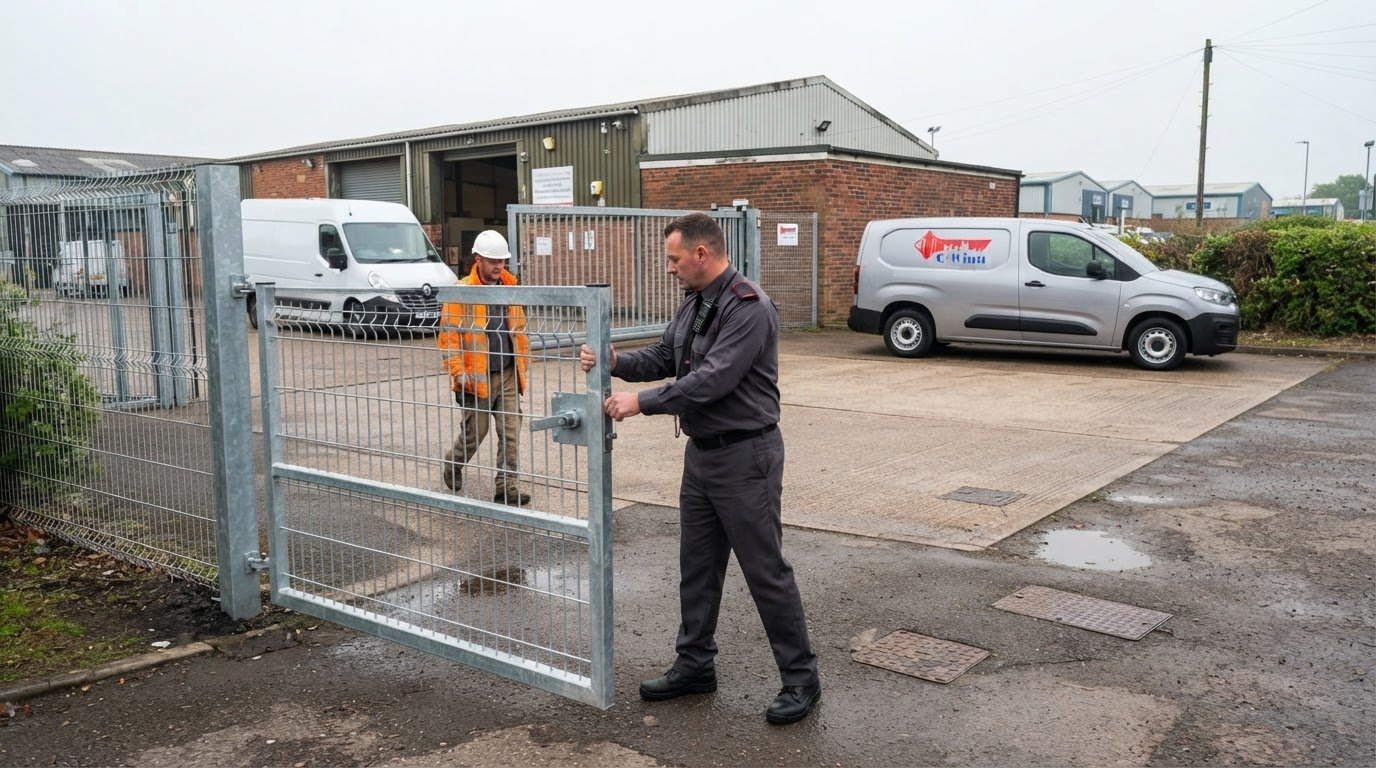
Key holders may provide authorised access to cleaners, maintenance contractors, engineers or delivery teams. They should follow the employer’s access procedure, record relevant visits and avoid granting entry beyond the agreed purpose. Unexpected visitors or unreported maintenance issues can affect site security. Lone attendance also brings practical risks, including slips, trips and accidents around the premises.
Legal duties and liability
In the UK, holding keys alone does not make someone a manager or establish one universal set of legal duties. A key holder is expected to follow the employer’s procedures, observe safety requirements and escalate decisions beyond their authority. Employers should provide training in security, emergency procedures, opening and closing, cash handling and relevant equipment.
There is no single pay rate for the role; remuneration depends on company policy, duties and sector. Checks and insurance arrangements should reflect the employer’s responsibilities and workplace risks. Key holders should watch for faulty locks, alarm problems, forced entry and unsafe conditions, and report them through the designated process rather than improvising.
Documented opening and closing procedures
A professional business key holder opens and secures the premises, follows the alarm procedure, checks the site and records issues. At closing, they secure doors and windows, complete required checks and set the alarm. Written steps make opening and closing consistent across shifts and staff. Key holder responsibilities for business premises should be documented so each person understands their assigned checks.
A checklist can cover alarm access, lighting, equipment, cash controls, safety and staffing. The opening record might note a faulty lock before staff enter; the closing record can flag an unresolved maintenance issue for follow-up. Clear entries show what was checked, what needs attention and who should receive the report.
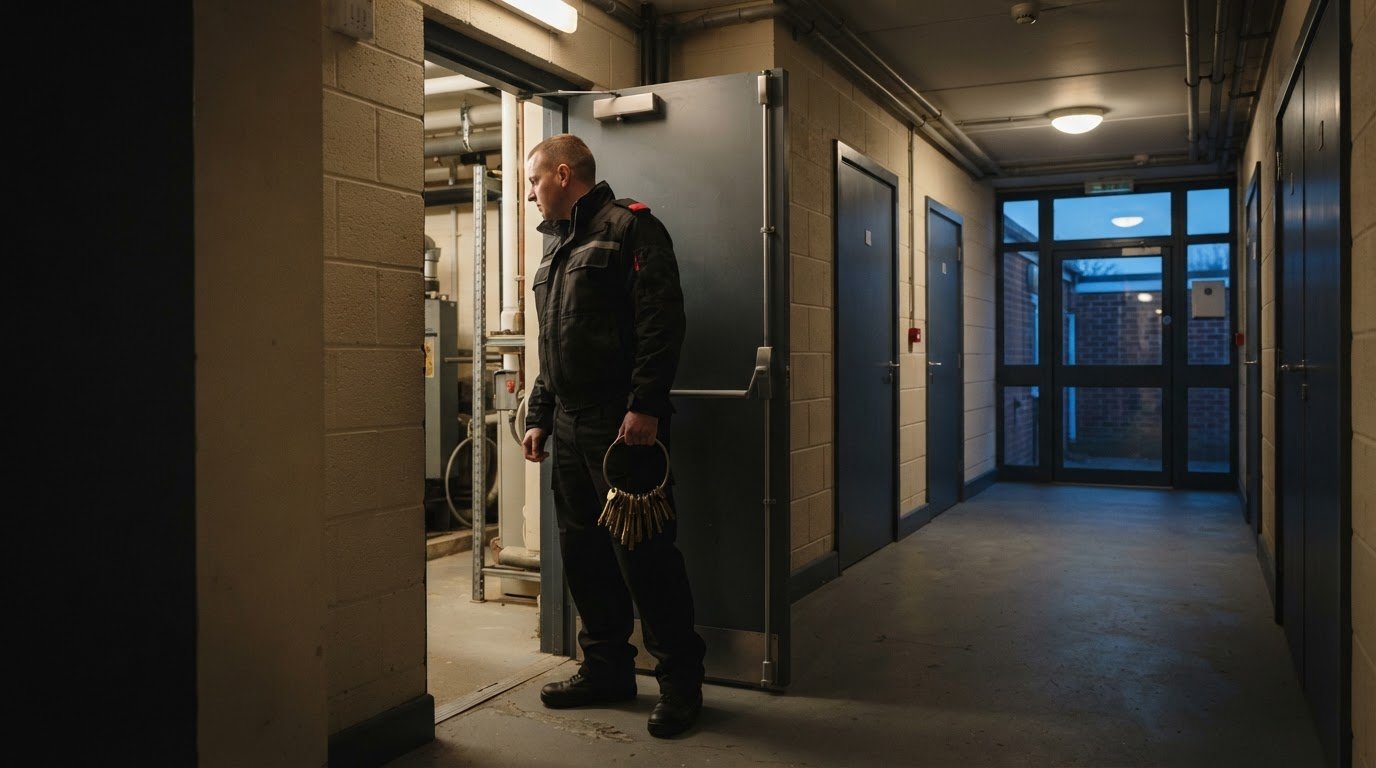
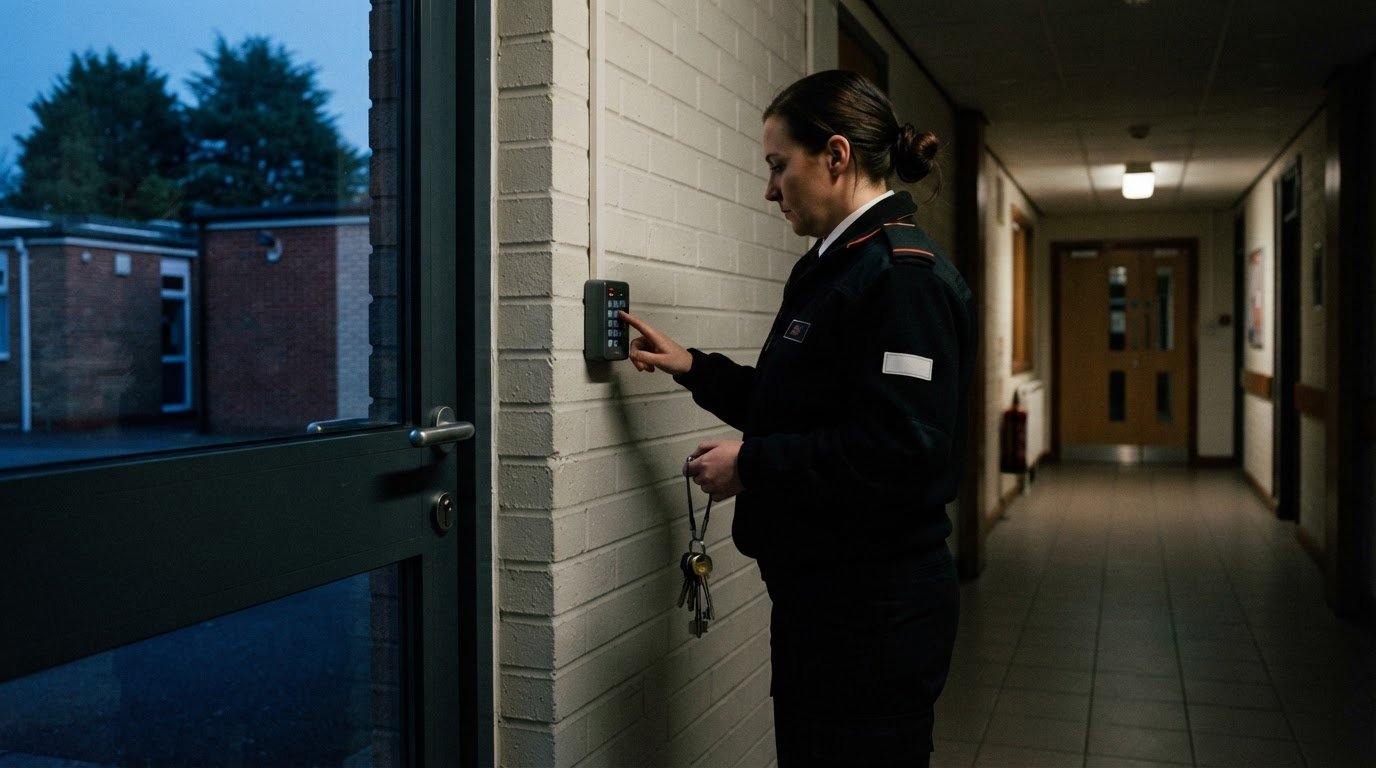
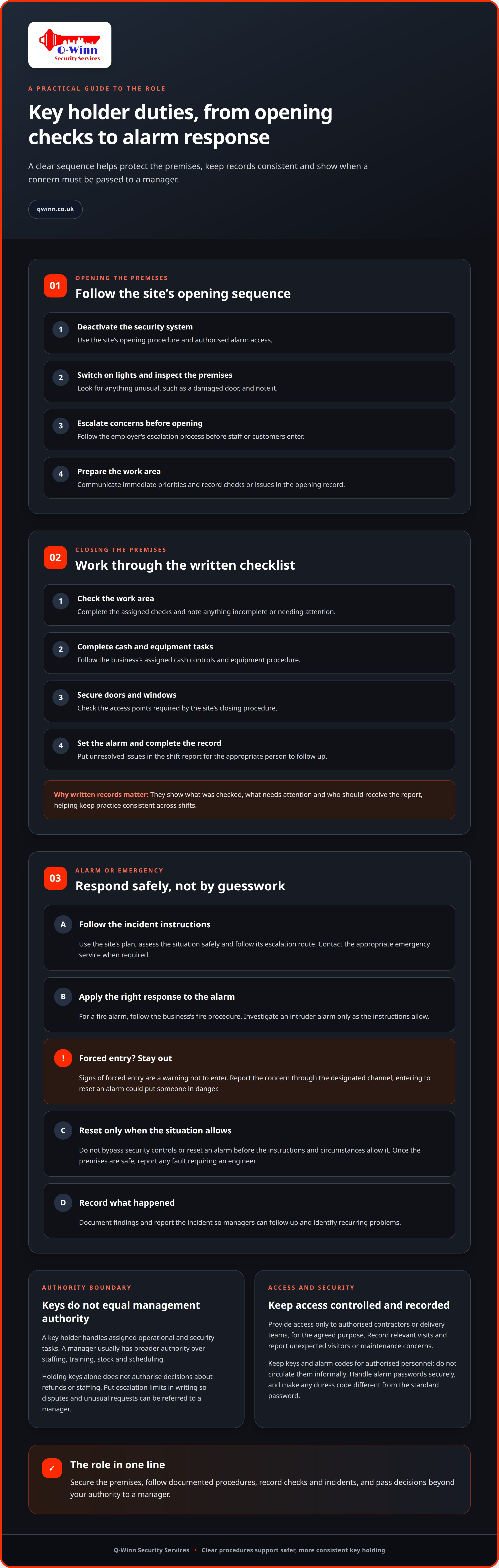
On arrival, the key holder follows the site’s opening sequence: deactivate the security system, switch on lights and inspect the premises. They note anything unusual, such as a damaged door, and follow the employer’s escalation process before opening to staff or customers. Once inside, they prepare the work area and communicate immediate priorities.
Closing follows the opening process in reverse, using the business’s written checklist. The key holder checks the work area, completes assigned cash and equipment tasks, secures access points and sets the alarm. Any incomplete task or concern goes into the shift report for the appropriate person. Recording these checks clarifies key holder responsibilities for business operations and supports a consistent handover.
A professional provider can align its checks and records with the premises’ agreed procedures, helping managers see whether each required step was completed. Familiarity alone is not a substitute for a reliable record: even someone who has watched an owner open a store 200 times can benefit from a clear checklist.
Responding to alarms and emergencies
An alarm activation needs a controlled response, not guesswork. The nominated key holder follows the site’s incident instructions, assesses the situation safely and records what happened. Written emergency contacts and clear escalation routes help them decide whom to notify, including emergency services when required.
If a fire alarm sounds, follow the business’s fire procedure. For an intruder alarm, the key holder should investigate only as their instructions allow. Signs of forced entry are a warning to stay out and report the concern through the designated channel. Entering to reset an alarm could expose an employee or key holder to danger.
Keys and alarm codes should remain accessible to authorised personnel, not circulate informally between staff. A professional provider controls access to stored keys and uses agreed procedures for releasing them. Alarm passwords must be handled securely; any duress code should differ from the standard password. Managers should update the monitoring provider when authorised key holders change or become temporarily unavailable.
For an out-of-hours call-out, the key holder follows the incident plan, contacts the appropriate emergency service if needed and reports findings. They should not bypass security controls or reset an alarm before the instructions and circumstances allow it. Once the premises are safe, the key holder may reset the system and report a fault requiring an engineer. A written incident record supports follow-up and helps managers identify recurring problems.
Where managers need professional support with out-of-hours alarm attendance, arrange professional key holding and alarm response to help manage call-outs and site security.
Q-Winn Security
Q-Winn Security supports businesses that need clear responsibility for premises access, routine security and out-of-hours incidents. Its services include Key Holding & Alarm Response, Lock-Up & Unlock Services, Mobile Patrol and Static / Manned Guarding. The right arrangement depends on the site’s opening pattern, access needs and level of on-site support.
For a store manager, professional support can reduce the need to personally attend every opening, closing or alarm call-out. It also provides a defined route for managing keys and responding to incidents, alongside the business’s own procedures. This can be useful when staff availability changes or a site needs consistent security cover beyond normal trading hours.
If you’d like to discuss your premises’ security needs, contact Q-Winn Security.
Keep your security plan aligned with your business
As staffing, trading hours and access needs change, review who holds responsibility and how security decisions reach the right person. A practical review keeps key holder responsibilities for business aligned with current operations, without blurring the line between site security and management authority.
Q-Winn Security can support businesses through Key Holding & Alarm Response, Mobile Patrol and Lock-Up & Unlock Services. These options help manage premises access and security around operating routines. Consider where your team needs support, whether for alarm attendance, site visits or routine lock-up and unlocking.
Contact Q-Winn Security to discuss support for your business. A clear plan starts with a considered conversation and gives your team a confident path forward.
Frequently Asked Questions
Is a Key Holder a Manager?
No. Holding keys does not automatically give an employee managerial status or authority over wider business decisions. For example, a key holder might be authorised to grant access to a scheduled maintenance contractor but not approve a staffing change. Employers should make those boundaries clear, so staff know which operational decisions they can make and which must go to a manager.
What are the Benefits of Keyholding?
Keyholding gives a business a defined way to manage access and security when its usual team isn’t on site. It can reduce the pressure on an employee to attend every incident personally and help maintain continuity if a manager is unavailable. For a small retail team, separating security attendance from daily management can also make responsibilities easier to organise.
What are the Responsibilities of a Keyholding company?
A keyholding company’s responsibilities are set by its agreed service arrangements and site instructions. These may cover secure key custody, responding to alarm activations, following escalation procedures and reporting attendance or incidents to the business. For a Bracknell premises, the business and provider need a shared understanding of authorised contacts, access permissions and how significant findings are passed on.
What expectations do you place on a Key Holder?
Expect a key holder to be dependable, discreet and familiar with the limits of their authority. They should keep keys and alarm details secure, avoid lending access credentials and report changes that could affect site security. If they can’t attend or are temporarily unavailable, the business needs a clear cover arrangement so an incident isn’t left without an assigned contact.
What are the main responsibilities of a key holder in a UK business?
The main responsibilities are to safeguard authorised access, follow the employer’s procedures and communicate concerns promptly. The exact remit depends on the role: a shop-floor key holder may oversee shift handovers, whilst another employee may only hold keys for access outside trading hours. A written role description helps the business align duties with authority and identify who receives escalations.
Frequently Asked Questions
No. Holding keys does not automatically give an employee managerial status or authority over wider business decisions. For example, a key holder might be authorised to grant access to a scheduled maintenance contractor but not approve a staffing change. Employers should make those boundaries clear, so staff know which operational decisions they can make and which must go to a manager.
Keyholding gives a business a defined way to manage access and security when its usual team isn’t on site. It can reduce the pressure on an employee to attend every incident personally and help maintain continuity if a manager is unavailable. For a small retail team, separating security attendance from daily management can also make responsibilities easier to organise.
A keyholding company’s responsibilities are set by its agreed service arrangements and site instructions. These may cover secure key custody, responding to alarm activations, following escalation procedures and reporting attendance or incidents to the business. For a Bracknell premises, the business and provider need a shared understanding of authorised contacts, access permissions and how significant findings are passed on.
Expect a key holder to be dependable, discreet and familiar with the limits of their authority. They should keep keys and alarm details secure, avoid lending access credentials and report changes that could affect site security. If they can’t attend or are temporarily unavailable, the business needs a clear cover arrangement so an incident isn’t left without an assigned contact.
The main responsibilities are to safeguard authorised access, follow the employer’s procedures and communicate concerns promptly. The exact remit depends on the role: a shop-floor key holder may oversee shift handovers, whilst another employee may only hold keys for access outside trading hours. A written role description helps the business align duties with authority and identify who receives escalations.