Commercial Property Security Guards in Ascot for Tailored Plans
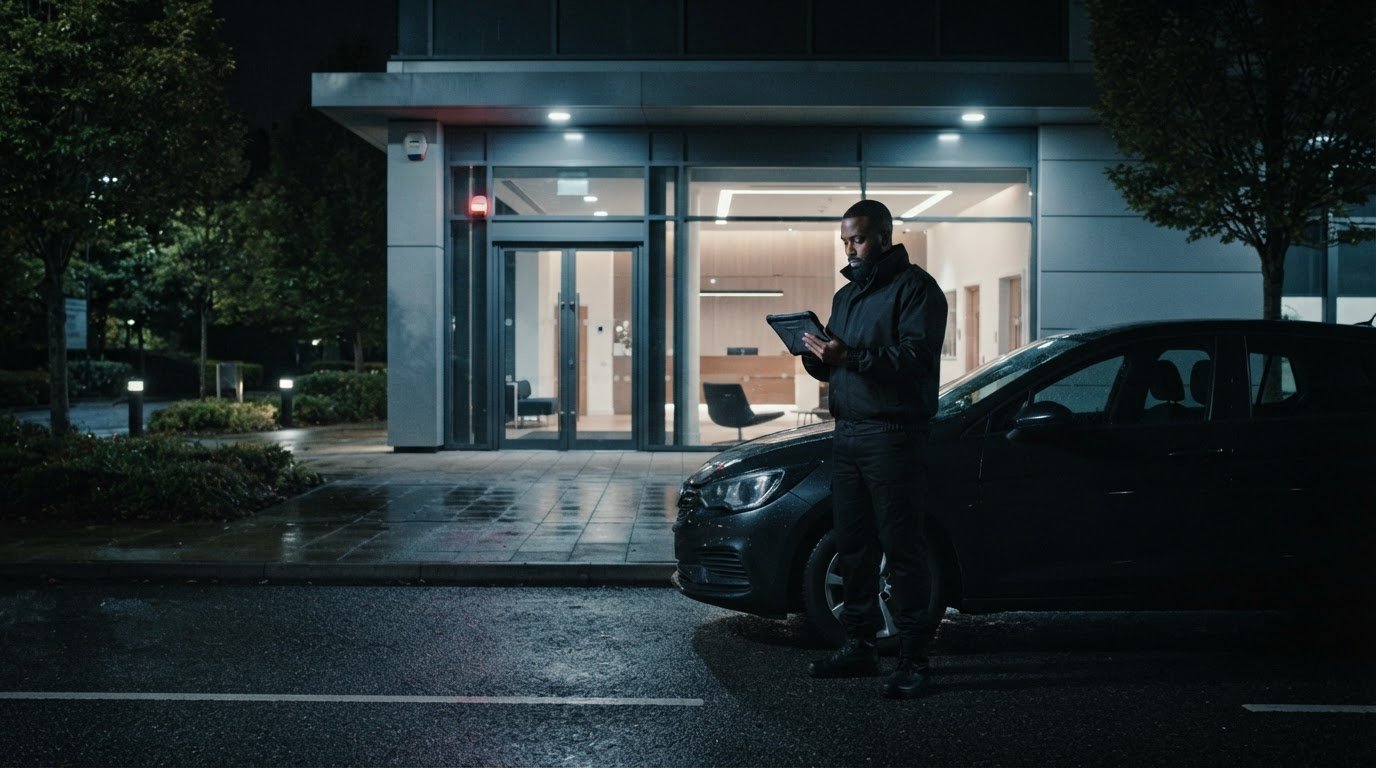
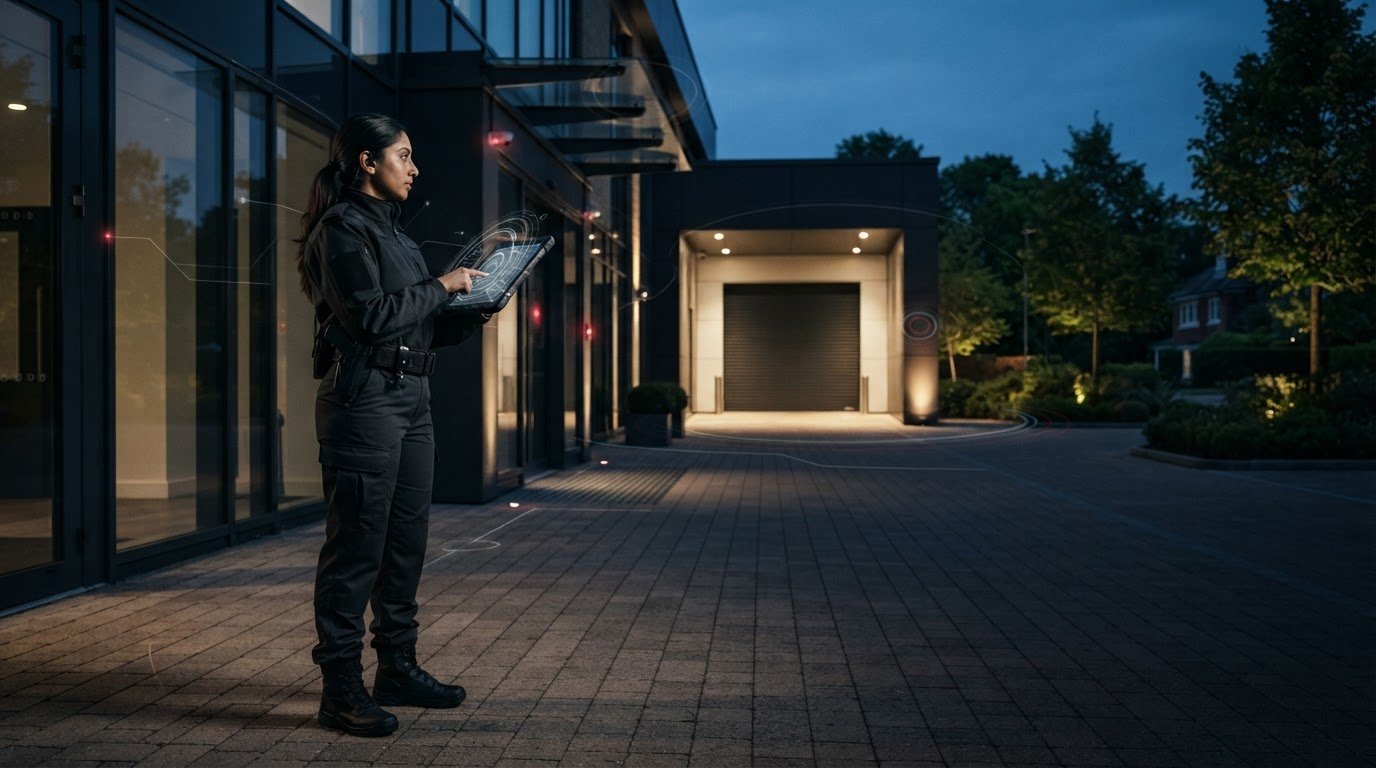
The right guard plan is shaped by the site, not a standard rota. Commercial property security guards in Bracknell can provide a visible presence tailored to a property’s operating environment, risks and procedures. Static guarding can focus on the hours and areas that need attention, helping businesses plan protection around their premises through Q-Winn Security.
It makes sense to want security that fits the way your business operates. A useful site assessment considers access points, footfall, deliveries and changing activity, then turns those details into practical guarding arrangements. This helps identify when static guarding may suit a commercial property in Bracknell.
Key Takeaways
- Map how your premises are used and where security needs may shift before setting priorities.
- Consider how staff, visitors and site procedures shape a practical guarding arrangement.
- Assess whether a visible, stationed officer can support safety and incident management on your site.
- Explore how guarding can work alongside key holding, alarm response or lock-up and unlock services.
Site assessments and tailored security plans
A site assessment turns broad concerns into practical priorities. In North Ascot, requirements depend on the property, its operating environment and identified risks. Map entrances, delivery routes, public areas and spaces holding valuable stock or equipment. Then note when each area is occupied and how staff currently manage access.
Local activity can affect those priorities. Royal Ascot draws tens of thousands of visitors, and race meetings bring increased footfall around the racecourse and town centre. Businesses considering commercial property security guards in Ascot can factor in visitor movement, traffic and opening hours. For retail premises, assess the layout, customer flow, delivery access and incident procedures. Residential properties may have different priorities, such as managing access for residents and visitors.
Construction and development sites need plans that adapt as work changes. Access points, contractors, equipment and occupied areas may shift during a project. Review the assessment when conditions change, especially where valuable plant, materials or unfinished buildings need attention outside working hours. The Considerate Constructors Scheme encourages construction firms to take security seriously, protect assets and support community relations.
- Record entry points, delivery access and restricted areas.
- Identify busy periods, site-specific risks and existing procedures.
- Set out who receives incident reports and how they are handled.
To check a security company’s SIA Approved Contractor Scheme status, search the Security Industry Authority’s Approved Contractor register using the company’s legal name. Compare the register entry with the business you’re assessing, including its status and approved service categories. This is a practical step when assessing commercial property security guards in Ascot.
Thames Valley Police says the area around Ascot Racecourse and the town centre needs regular attention during race meetings because of increased footfall, alcohol-related incidents and traffic-related crime. Construction requirements can change as access points, contractors, equipment and occupied areas evolve; valuable plant, materials and partially completed buildings are vulnerable outside working hours.
Commercial and corporate security guarding
Guarding arrangements should match the site’s daily activity, staff needs and response procedures. Before appointing a provider in Ascot, assess the duties, contract terms and cover arrangements that suit the premises.
Guarding services for commercial sites
Commercial guarding can include a stationed guard, access monitoring and a visible presence for staff and visitors. Duties should suit the premises, such as managing visitor entry at an office or supporting incident management in retail premises. Guarding arrangements should reflect the duties officers are expected to perform. The Security Industry Authority says security personnel undergo background checks, training and certification.
When choosing guards in Ascot, look for a provider that serves the area and can match officers’ duties to your site. Clarify how the assignment will handle routine activity and incidents, including who receives reports and how concerns are escalated.
Contracts and insurance considerations
A commercial guarding contract should define locations, operating hours, duties, reporting arrangements and incident procedures. It should also explain how changes to site activity or instructions are managed. Employers should provide relevant site information, clarify responsibilities and arrange a suitable induction. Consider insurance in relation to the work, including cover for injury, property damage and claims arising from the assignment.
Provider choice and emergency cover
For urgent cover in Ascot, deployment timing depends on officer availability, the site briefing and the duties required. Agree how emergency requests are handled and what information the provider needs to respond effectively. Compare providers on relevant commercial experience, assignment supervision and communication arrangements, rather than relying on proximity alone. A clear scope makes it easier to assess whether commercial guarding arrangements fit the premises and its operating needs.
Static guarding for commercial properties
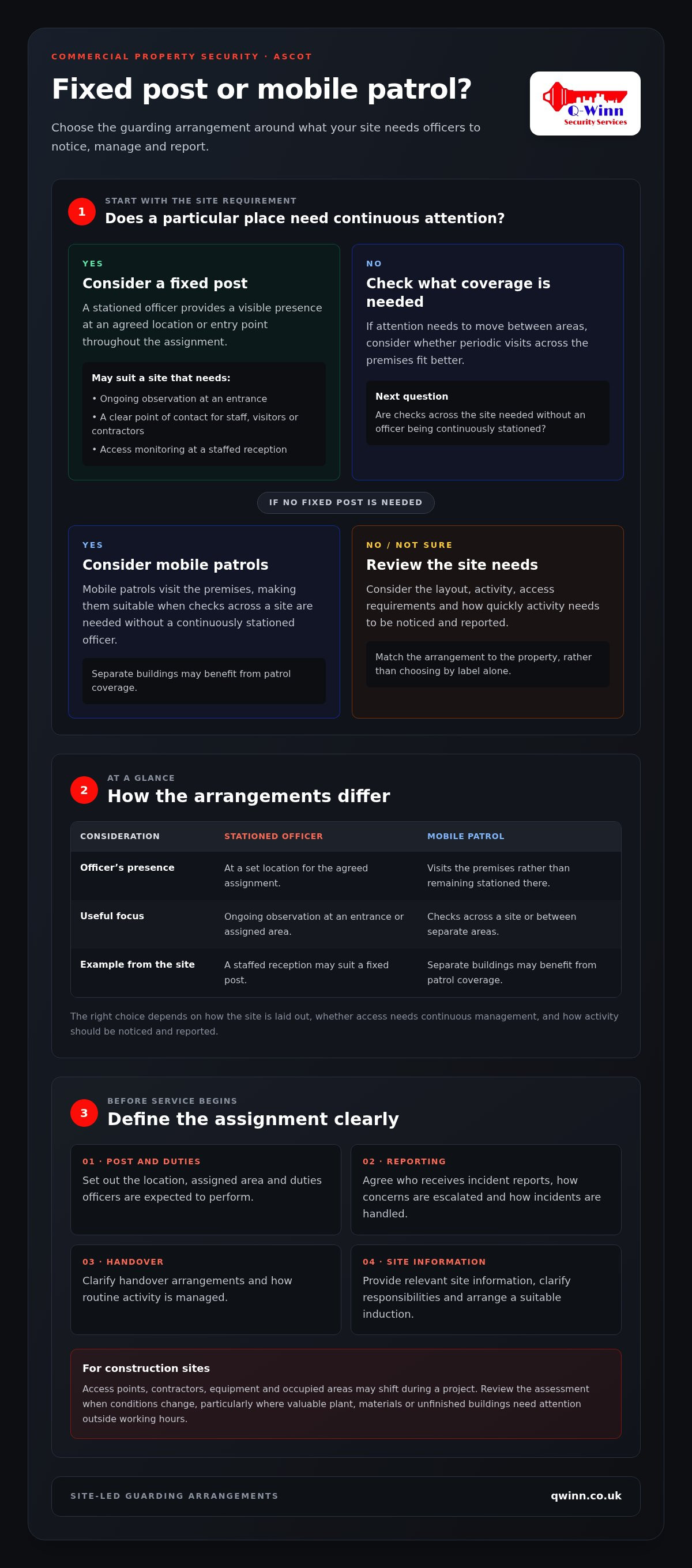
A stationed officer provides a consistent presence at an agreed location or entry point. When considering commercial property security guards in Ascot, decide whether risks require continuous attention at a particular place.
Arranging static guarding
Static guarding can suit sites where staff, visitors or contractors need a clear point of contact. A guard may monitor an entrance, observe activity in an assigned area and report incidents using agreed procedures. On a construction site, duties can focus on access points and areas containing plant or materials outside working hours. Define the post, duties, reporting route and handover arrangements before service begins. Clear boundaries help officers understand their role and site teams know how to raise concerns.
Comparing guards with mobile patrols
Manned guarding places an officer at a set location, providing a visible presence throughout the agreed assignment. Mobile patrols visit the premises instead, making them suitable when checks across a site are needed without a continuously stationed officer. Businesses considering commercial property security guards in Ascot can weigh ongoing observation at an entrance against periodic checks across several areas. A staffed reception may suit a fixed post, while separate buildings may benefit from patrol coverage.
Consider how quickly activity must be noticed and reported, how the site is laid out, and whether access needs continuous management. These practical factors help match the arrangement to the property, rather than choosing by label alone.
Review your site’s needs and arrange static guarding suited to its operating requirements.
Retail security personnel in North Ascot provide a visible presence to support loss prevention, customer safety and incident management in shops and retail premises. For shops and retail premises, this purpose brings together preventing loss, supporting customer safety and helping with incident management. These are the areas the visible presence is intended to support.
Q-Winn Security: Key Holding & Alarm Response
Q-Winn Security provides Key Holding & Alarm Response for commercial premises that need a response when an alarm activates. This service can complement static guarding. Mobile Patrol or Lock-Up & Unlock Services may suit sites needing patrol visits or support securing premises at opening and closing.
To shape a tailored plan, match coverage to the site’s operating hours, access arrangements and identified risks. Q-Winn Security also provides Static / Manned Guarding for premises where a visible officer at an agreed location is appropriate. Each service addresses a different operational need, so the plan should reflect the property and its procedures.
To discuss security arrangements for your commercial property in Ascot, contact Q-Winn Security.
Shape your next step around the site
Security planning works best as an active business decision, not a document left unchanged. As operations, access arrangements or occupancy shift, revisit priorities and make sure the agreed response still fits. This gives commercial property security guards in Ascot a clear role within your wider site procedures.
Q-Winn Security offers Key Holding & Alarm Response, Mobile Patrol and Lock-Up & Unlock Services. Each can address a different need, from alarm response to patrol visits and securing premises at opening or closing. Consider which tasks would help your team manage the site more consistently, then discuss a tailored arrangement.
Contact Q-Winn Security to talk through your commercial property’s requirements. A considered next step can help you build a plan that fits the way your premises operate.
Frequently Asked Questions
What factors affect the number of guards needed for a commercial property?
The number of officers depends on how many areas need attention at the same time and the duties each officer must perform. For example, a property may need separate coverage for a public entrance and a restricted loading area. Consider visitor patterns, site size, operating hours, lone-working arrangements and whether officers must leave a post to handle incidents. Map these tasks before deciding on coverage.
How quickly can security firms provide guards or emergency cover in Ascot?
Deployment timing depends on officer availability, the site briefing and the duties required. Agree in advance how emergency requests are handled and what information the provider needs.
Frequently Asked Questions
The number of officers depends on how many areas need attention at the same time and the duties each officer must perform. For example, a property may need separate coverage for a public entrance and a restricted loading area. Consider visitor patterns, site size, operating hours, lone-working arrangements and whether officers must leave a post to handle incidents. Map these tasks before deciding on coverage.
Deployment timing depends on officer availability, the site briefing and the duties required. Agree in advance how emergency requests are handled and what information the provider needs.